A machine recount is underway in Florida’s 27th Congressional District after Republican incumbent María Elvira Salazar led Democrat Eliott Rodriguez by only 1,090 votes, a margin below Florida’s automatic-recount threshold. The recount is taking place as a federal judge has allowed Miami-Dade County’s supervisor of elections, Alina Garcia, to remain on the canvassing board despite a challenge from Rodriguez’s campaign.
The race has not been certified as final. As of November 10, 2026, officials are still retabulating ballots, and there is no official winner. The immediate issue is not only whether the margin changes, but whether the process is seen as independent and transparent while the count continues.
As of November 10, 2026.
Facts: What the Florida recount covers
Florida law requires an automatic recount when unofficial returns show a candidate defeated or eliminated by one-half of 1% or less of the votes cast for the office. For federal races spanning more than one county, the state’s Secretary of State orders the recount. The statute requires canvassing boards to put ballots through automatic tabulating equipment and report a second set of unofficial returns. Florida Statutes, Section 102.141
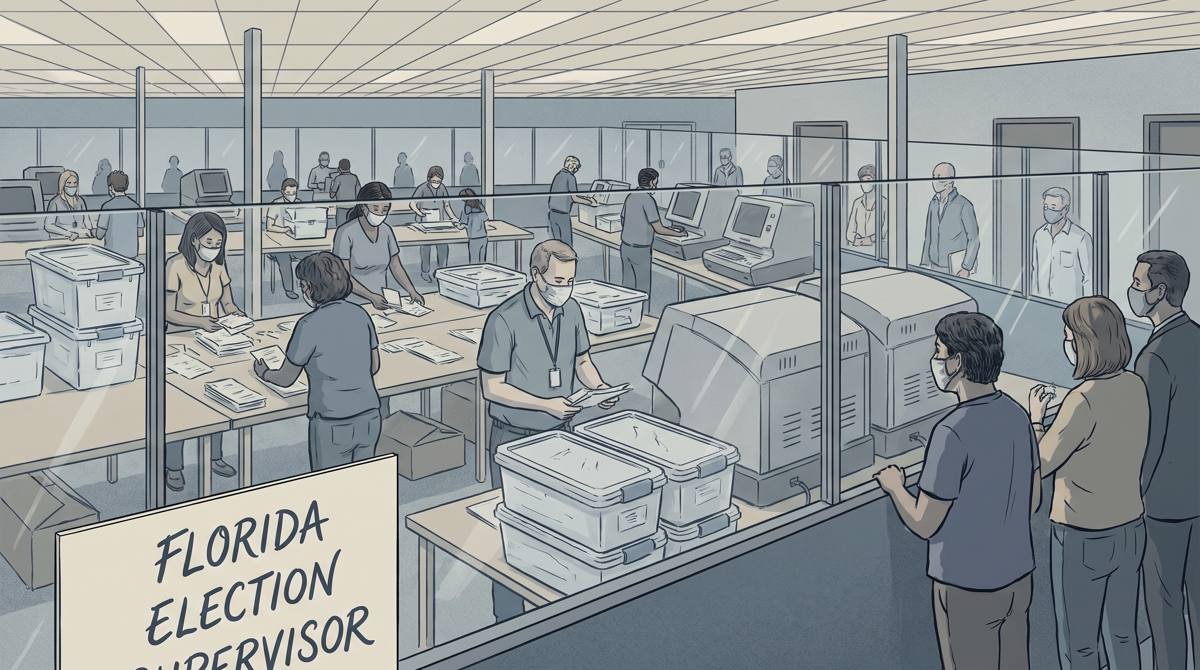
That threshold was met in the race between Salazar and Rodriguez. NBC 6 South Florida reported Salazar’s lead at 1,090 votes and said the recount was ordered by the Florida Secretary of State. CBS News Miami reported that nearly 250,000 ballots were being recounted at the Miami-Dade Elections Headquarters in Doral, with the work expected to continue overnight into Tuesday.
The recount is a machine retabulation, not automatically a hand recount of every ballot. Under Florida’s statute, the canvassing board first runs the ballots through the tabulating equipment and checks whether the returns correctly reflect the votes cast. If an error is detected, officials must identify and correct its cause and repeat the process as needed. A separate manual recount can become relevant under Florida’s additional procedures if the margin remains extremely close or if ballot conditions require further review.
The county’s canvassing board includes Garcia. Rodriguez’s campaign sought her removal, arguing that she could not fairly oversee the process because her son-in-law, attorney Robert Fernandez, represents Salazar in recount proceedings. The campaign also pointed to Garcia’s reported statement to the Miami Herald that Salazar had won “with or without a recount.” WLRN reported that Garcia’s daughter works at the same law firm and attended a canvassing-board meeting.
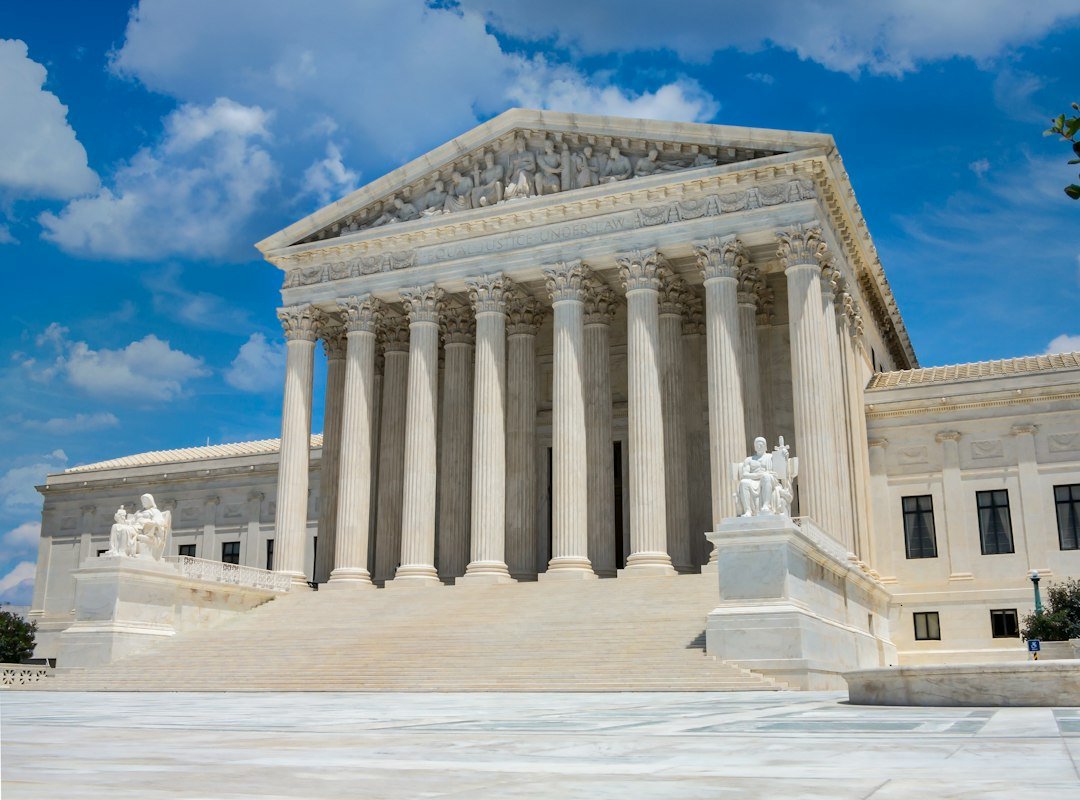
U.S. District Judge David S. Leibowitz rejected the request to force Garcia’s recusal at an emergency hearing on November 9. CBS News Miami and NBC 6 both reported the ruling. The judge criticized Garcia’s public comment, but concluded that removing her was not warranted, in part because she is one of three members of the canvassing board and the other two are local judges.
Garcia has said there is no conflict of interest. Rodriguez’s attorney, Juan Carlos Planas, said the campaign was disappointed by the decision but viewed the judge’s criticism of the statement as significant. Neither campaign’s position changes the legal status of the recount: the ballots still must be processed under Florida’s election rules.
Analysis: Why the oversight dispute matters
The recount’s central purpose is accuracy. Close margins are precisely when a routine tabulation safeguard is most important. A machine recount can confirm that the original totals were read correctly, correct a tabulation problem, or produce a revised unofficial margin. It does not, by itself, establish wrongdoing or prove that the original count was invalid.
The conflict-of-interest lawsuit raises a separate question about public confidence. Election officials often make procedural decisions that affect both campaigns, so voters need to see that those decisions are made under clear rules and with a record that can be reviewed. A court’s decision to keep Garcia on the board does not declare her comments appropriate. It means the legal standard for removing her was not met on the evidence presented at that stage.
That distinction is important. The federal judge did not decide the winner of the congressional race, and the ruling did not end the recount. It resolved only whether Garcia could continue serving on the canvassing board while the retabulation proceeded. WLRN reported that the canvassing board’s other two members are local judges, a structure the judge considered when assessing whether Garcia could determine the outcome alone.
The next meaningful benchmark is the recount’s second set of unofficial returns. Those numbers may confirm Salazar’s lead, narrow it, or change the result. Until the required canvassing and certification steps are complete, statements by either campaign claiming victory remain campaign claims rather than certified election results.
For voters watching from outside South Florida, the case illustrates why election administration continues after Election Day. Florida’s process separates the initial unofficial count from the recount, canvassing, and certification stages. It also gives a court a role when a campaign alleges that an election official’s conduct threatens impartial administration. The system’s credibility will depend on officials publishing the recount results, explaining any discrepancy, and preserving the records required by law.
What to watch next
As of November 10, 2026, the recount is still in progress and the final outcome is uncertain. The key developments are the release of the second unofficial returns, any decision about further manual review, and the canvassing board’s certification schedule. Until those steps occur, the only verified conclusion is that Florida’s automatic recount safeguard has been activated in a closely divided congressional race and that the court has allowed Miami-Dade’s elections supervisor to remain involved.
Sources
- Florida Statutes, Section 102.141 — canvassing boards and automatic recounts
- Miami-Dade Supervisor of Elections — official office information
- CBS News Miami — recount of nearly 250,000 ballots and recusal ruling
- NBC 6 South Florida — margin, recount order and court challenge
- WLRN — judge’s decision and canvassing-board conflict allegations