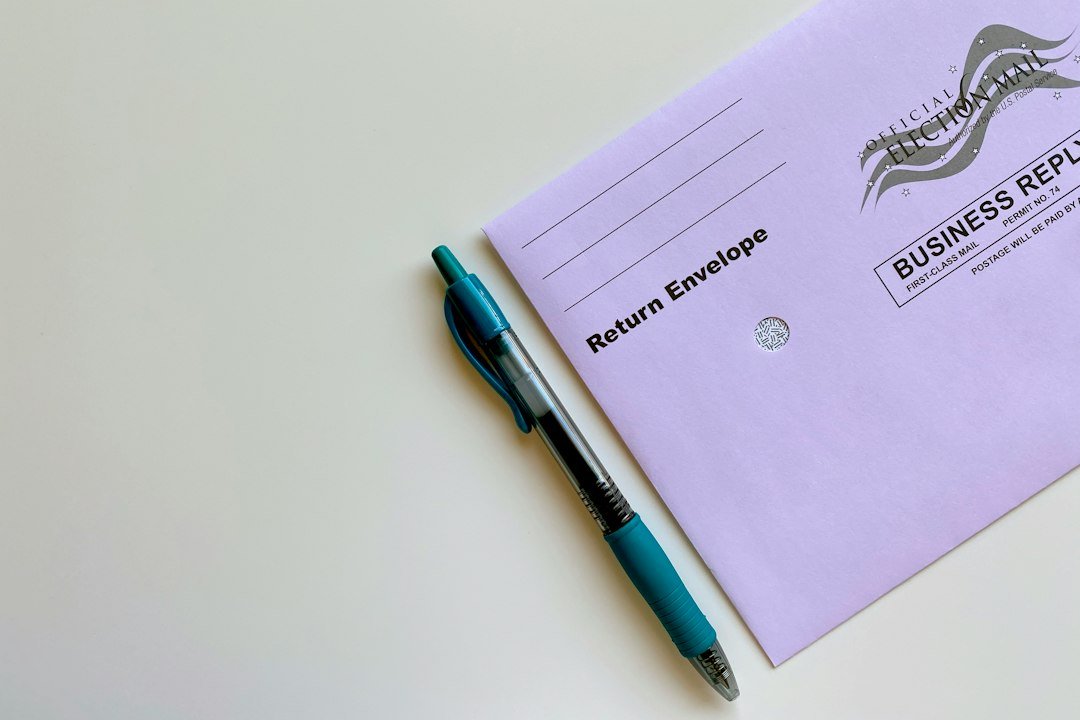


As of November 24, 2026. State election officials in North Carolina and New Mexico are scheduled to complete important certification steps Tuesday, moving the 2026 midterm process from unofficial tallies toward legally finalized results. The proceedings are routine, public and consequential: they confirm that eligible ballots were counted, audits were completed and any qualifying recount procedures were addressed.
Facts: What is happening on November 24
North Carolina’s State Board of Elections scheduled its state canvass for 11 a.m. Tuesday. The board’s official post-election guidance says county boards first review ballots and certify contests within their jurisdictions. The state board then certifies contests under its authority, including statewide contests and other multi-county races. North Carolina State Board of Elections
New Mexico’s State Canvass Board is also scheduled to meet Tuesday, at 2:30 p.m., to certify the 2026 general-election results. The meeting is listed through the state secretary of state’s election materials and agenda. New Mexico Secretary of State State Canvassing Board agenda
Certification is not the same as a media projection. It is the formal government process that authenticates the count after election workers reconcile records, evaluate eligible provisional and absentee ballots, complete required audits and address challenges under state law. The U.S. Election Assistance Commission describes the canvass as the process of aggregating and confirming valid ballots from early voting, Election Day, mail, military and overseas voters and other lawful voting channels. U.S. Election Assistance Commission
Facts: What North Carolina’s rules allow
North Carolina’s State Board said no statewide contest appeared close enough for a recount under the state’s 2026 guidance. For a statewide ballot item, a losing candidate may demand a recount when the margin is one-half of 1 percent of votes cast or 10,000 votes, whichever is less. For a non-statewide contest, the threshold is 1 percent or less.
The recount process is designed to be observable and bipartisan. An initial recount runs ballots through tabulators. If machines reject ballots, bipartisan teams can review them by hand. A candidate may also seek a sample hand-to-eye recount, and a full hand recount is possible if the sample indicates discrepancies large enough to affect the outcome. North Carolina recount guidance
Analysis: Why certification matters after Election Day
Certification closes an important gap between what voters see on election night and what the law recognizes as the result. Unofficial totals can change as election workers count eligible provisional ballots, cure qualifying mail-ballot problems and receive military and overseas ballots under statutory deadlines. That does not mean the system is failing; those steps are part of the designed process.
The timing also matters for officeholders, legislatures and the next Congress. Candidates and news organizations may call races before certification when the evidence is strong, but the legal record remains subject to the state’s canvass, recount and protest rules. Treating a projection as a certified result can create confusion about who has actually won and whether a contest remains open to a lawful challenge.
Analysis: What voters should watch next
The most important signals are the official canvass statements, certified results and any public notices about recounts or election protests. A close margin alone does not automatically change an outcome. A recount must meet the applicable threshold, and a recount itself is a verification procedure rather than evidence that widespread wrongdoing occurred.
North Carolina officials have emphasized that canvass meetings and recounts are public. That transparency gives candidates, observers and voters a way to follow the process without relying solely on campaign statements or early media projections. New Mexico’s scheduled State Canvass Board meeting provides a similar formal checkpoint for that state’s results.
For readers tracking the 2026 midterms, the practical distinction is simple: projected results describe what credible evidence indicates, while certified results are the official totals after the state completes its statutory review. As of November 24, the focus is on those final administrative steps rather than on a new vote.