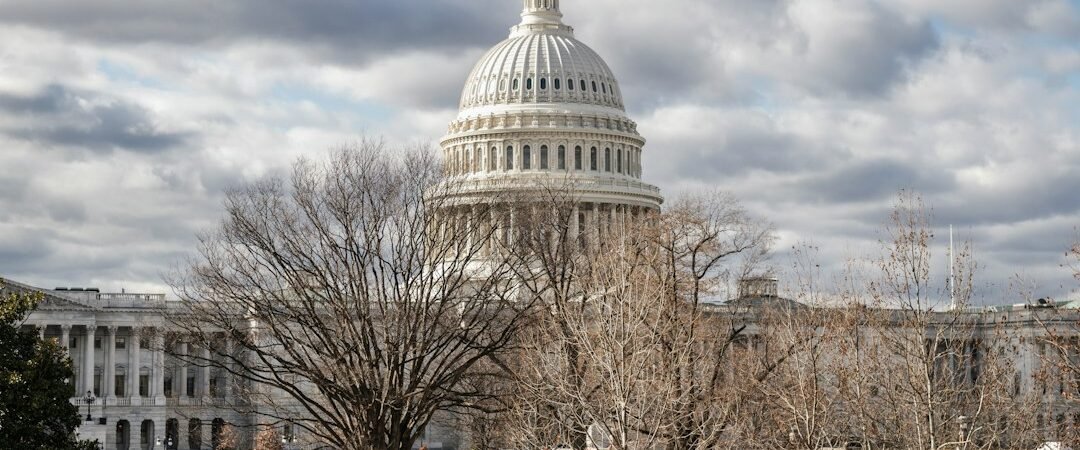
After a congressional election, the outgoing Congress may continue meeting before newly elected members take office. This period is commonly called a lame-duck session. The label describes the timing, not a loss of constitutional authority.
Why the outgoing Congress still matters
House members serve two-year terms and senators serve staggered six-year terms. Newly elected members do not immediately replace the sitting Congress on election night. The existing Congress remains in office until the constitutional term change, so lawmakers can continue legislating during the transition.
What can happen during a lame-duck session?
Congress may address spending deadlines, pass legislation that did not clear earlier, consider nominations where applicable, approve defense or disaster-related measures, or negotiate a compromise on a contentious issue. The agenda depends on leadership decisions, floor time, the legislative calendar and the political balance after the election.
Why budget issues often matter
If funding deadlines are approaching, lawmakers may consider full-year appropriations or a continuing resolution. A lame-duck session can be a final opportunity for the outgoing Congress to resolve pending business before the next Congress convenes. But a session does not guarantee agreement, and deadlines can still pass without a deal.
Can outgoing lawmakers make major decisions?
Yes. Unless a legal or procedural rule says otherwise, sitting members retain legislative powers until their terms end. Politically, the election can change incentives: members who are retiring, defeated or returning may face different pressures. Senate rules and the status of particular nominations also shape what can be completed.
What should readers watch?
- The official congressional calendar and announced floor schedule.
- Whether a bill passed one chamber, both chambers or neither.
- Funding deadlines and the text of proposed temporary measures.
- Statements from committee chairs, leadership and relevant agencies.
- Whether a reported deal is a framework or actual legislative text.
Track bills and votes through Congress.gov and official House and Senate schedules. For broader election context, see our Senate battleground guide and midterm forecast explainer.
The bottom line
A lame-duck session is a real legislative period, not a ceremonial pause. Outgoing lawmakers can still act, but outcomes depend on votes, procedure, deadlines and agreement between the chambers and president.