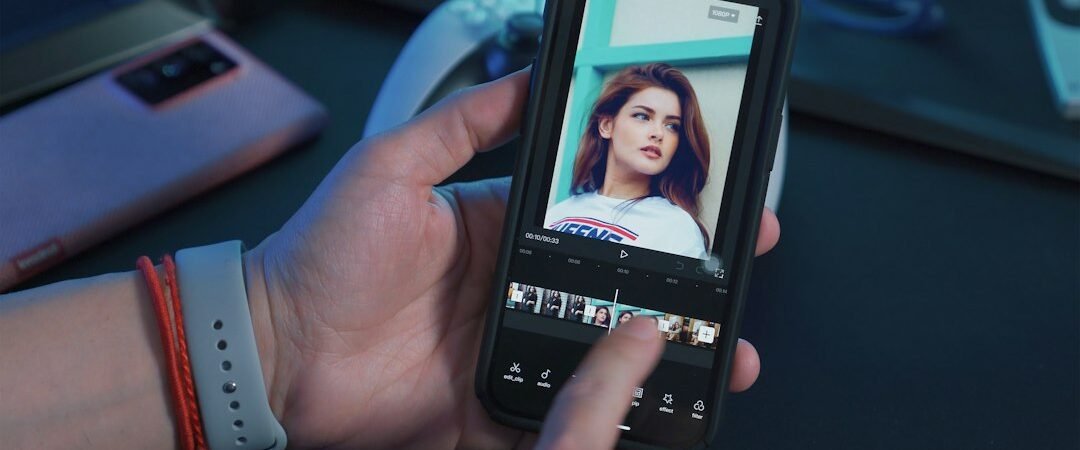
AI tools can make convincing audio, images, and video easier to create. A clip that appears to show a public figure, coworker, or family member saying something shocking may be authentic, edited, taken out of context, or synthetic. Visual inspection alone is not enough to decide.
Start with the source, not the pixels
Ask who first posted the clip and whether that account has a history you can verify. Look for the original upload, full interview, public statement, or a reliable outlet that independently confirms the event. Reposts with cropped logos and no date are weak evidence.
A five-step verification checklist
- Pause before sharing. Urgency and outrage are common reasons people forward unverified material.
- Search for the exact claim. Use a distinctive phrase from the caption or transcript and check whether credible independent sources report the same event.
- Find the earliest version. Compare upload dates, context, and whether the clip is cut from a longer recording.
- Check the details. Look for mismatched shadows, odd mouth movement, inconsistent audio, unnatural transitions, or changing objects—but treat these only as clues, not proof.
- Verify through another channel. If a clip appears to show a person asking for money or confidential information, contact them using a known phone number or official account.
Do not rely on AI detectors alone
Detection tools can produce false positives and false negatives, especially as generation methods change. A detector score should not be treated as a verdict. Provenance information, original files, corroborating reports, and direct confirmation are often more useful together than any single automated test.
What to do with a suspicious clip
Do not repost it with a confident caption while investigating. Save the URL and relevant context, report it on the platform if it impersonates someone or facilitates fraud, and warn affected people through a trusted channel. If the clip is being used to request a transfer, gift card, password, or verification code, treat the request as untrusted until independently confirmed.
Our guide to AI voice-cloning scams explains how to establish a family verification phrase. For general guidance, consult the CISA Secure Our World resources and the FTC’s advice on recognizing scams.
The rule to remember
When a clip could affect someone’s safety, reputation, vote, or finances, verify the claim independently before sharing it. A polished video is not the same as reliable evidence.