As of November 16, 2026
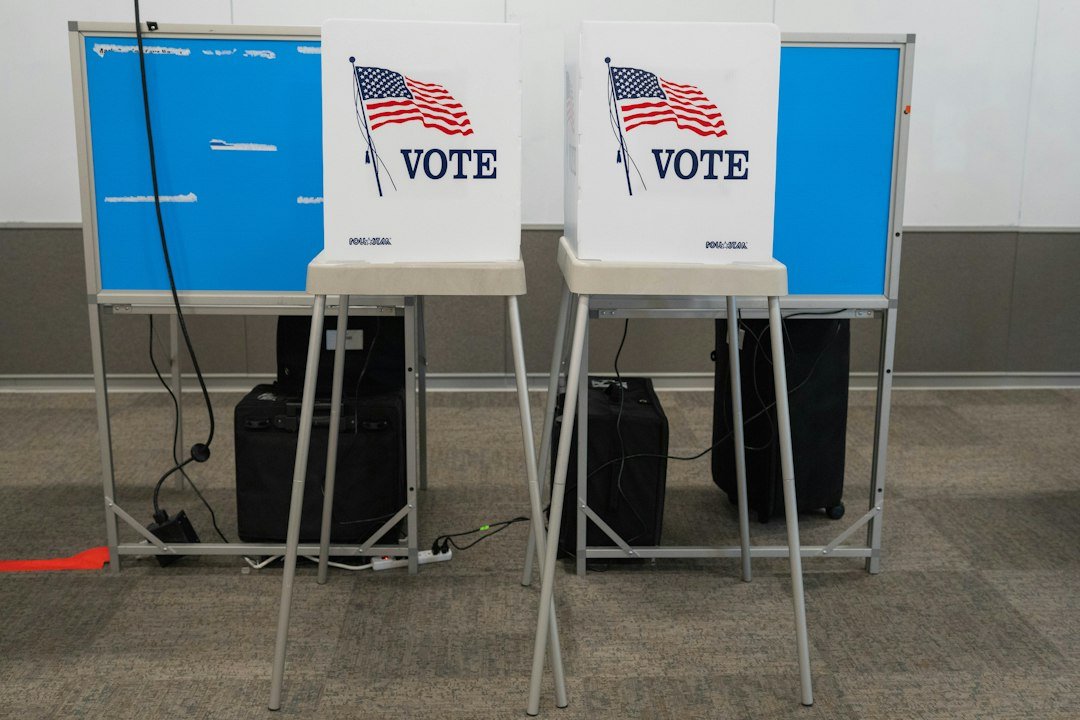
Georgia Democrats have won control of the state House for the first time in more than two decades, but the size of that majority is still being decided by a southwest Georgia runoff, a disputed batch of 388 votes in one county, and a recount deadline that has not yet arrived.
Unofficial statewide results give Democrats 92 seats and Republicans 87 in the 180-member chamber, with one seat — House District 151 — still undecided and headed to a December 1 runoff, according to WRDW/WAGT. Democrats need 91 seats for a majority, so the runoff will determine whether their cushion is one seat or two.
Facts: where the Georgia House stands
The Associated Press and state returns show Democrats netting a double-digit seat gain and crossing the majority threshold, ending Republican control of the chamber that began in 2005. The state Senate remains Republican, 29 seats to 27, but Democratic lieutenant governor-elect Josh McLaurin will preside over it, Georgia Recorder reported.
Three races kept the final tally open after Election Day:
- House District 103 (Gwinnett and Hall counties). Democrat Chris Luchey defeated Republican incumbent Rep. Soo Hong by 35 votes out of roughly 24,000 cast in final county tallies, a margin well inside Georgia’s 0.5% recount threshold.
- House District 154 (southwest Georgia). Republican incumbent Rep. Gerald Greene leads Democrat Harry James by 261 votes in unofficial state results updated November 7, after a late batch of Seminole County votes was added. Before those votes were counted, Greene trailed by fewer than 100.
- House District 151 (Americus area). Republican Rep. Mike Cheokas took about 47.9% in a three-way race to Democrat Ethan Wolfe’s 40.9%, with independent Travis Lockhart at about 11.3%, according to unofficial returns reported by The Albany Herald. Georgia requires a majority to win, so the top two advance to the December 1 runoff.
The Seminole County discrepancy, explained
The District 154 shift began with an accounting mismatch rather than a recount. During the state’s post-election review, officials found about 388 more voters recorded as having checked in at Seminole County polling places on Election Day than the number of ballots reported as cast, WJCL reported.
Secretary of State Brad Raffensperger’s office said results from a memory card had not been properly uploaded into the county’s election management system, and he opened an investigation into how it happened.
“This oversight didn’t just affect the numbers — it changed who was leading an election,” Raffensperger said in a statement. “That is unacceptable, and we intend to find out exactly how it happened.”
Seminole County Elections Supervisor Ron Foskey disputed accounts that a card had gone missing, saying all cards were accounted for on election night and that the final step to validate and publish the last precinct’s results had not been completed. County officials finished that step on November 6.
Both candidates said they learned of the change through news coverage. James has not conceded and said he is waiting for answers before deciding his next step.
Why the December 1 runoff matters
District 151 is the only state House race in Georgia headed to a runoff. It covers all of Chattahoochee, Marion, Schley, Stewart, Terrell and Webster counties and parts of Dougherty and Sumter.
If Wolfe wins, Democrats would hold 93 seats; if Cheokas holds the seat, they would hold 92. Either result leaves a majority that cannot absorb many absences or defections on contested floor votes — a practical constraint on an agenda that Democratic leaders say includes Medicaid expansion and education funding.
The runoff also compresses the campaign calendar. Because of Thanksgiving, in-person early voting runs only November 23 through 25, and counties may offer limited weekend hours. Election Day is December 1, with polls open 7 a.m. to 7 p.m.
Key dates and rules still in play
Certification. Counties are completing a risk-limiting audit ordered by the secretary of state, with a deadline of November 18, and statewide certification is due November 20, the date set by state law and confirmed by county election offices. For a step-by-step look at how that process works across the country, see our explainer on how election certification works.
Recounts. Under O.C.G.A. § 21-2-495, a candidate trailing by no more than half of 1 percentage point may request a recount in writing within two business days after certification. In District 103, that window applies to Hong; in District 154, the current margin is far wider than the threshold. The same rules are driving North Carolina’s recount decisions in 10 close races.
Contests. A candidate alleging a defect in the count can file a petition contesting the result within five days after certification under O.C.G.A. § 21-2-524.
Runoff voting. The last day to request an absentee ballot for the runoff is November 20; completed ballots must be received by 7 p.m. on December 1. During early voting, voters may use any early voting location in their county, unlike Election Day precinct rules.
Analysis: what the next two weeks will settle
The Georgia result is a reminder that control of a legislature can be called before it is certified, and that “called” and “certified” are different things. The AP’s call establishes the likely majority. Certification, the recount window and any contest determine whether that majority is 92 or 93 seats — and whether the District 154 result survives scrutiny.
Three variables matter most. First, whether the Seminole County investigation finds a procedural failure that a candidate can use as grounds for a contest; a county-level explanation that the votes were valid but uploaded late is legally different from a finding that ballots were mishandled. Second, whether Hong requests a recount in District 103, which would not change party control but would extend the timeline for seating that district’s representative. Third, turnout in a runoff held across a holiday week in a district of roughly 35,000 registered voters spread over 2,195 square miles, where the independent candidate’s 11% share is now the decisive bloc.
None of this changes the headline result: Democrats will organize the Georgia House in January, part of the broader shift in state legislatures that followed the Democratic takeover of Congress in the 2026 midterms. It changes how much room they have to govern, and how long it takes before every seat is officially final.
Sources
- Georgia Recorder, “Democrats officially win control of Georgia state House with slim majority”, November 9, 2026
- WJCL, “Election investigation underway in Georgia after 388 late votes flip House lead”, November 10, 2026
- WRDW/WAGT, “Runoff outcome could boost Georgia Democrats’ power in state House”, November 12, 2026
- The Albany Herald, “Wolfe makes majority-party pitch as District 151 runoff with Cheokas nears”, November 14, 2026
- Cobb County Board of Elections and Registration, “Cobb County Certifies Results of November 3 General Election”, November 10, 2026
- Georgia.gov, runoff early voting and absentee ballot request deadline pages for the December 1, 2026 runoff
- O.C.G.A. § 21-2-495 (recounts) and § 21-2-524 (contests), via FindLaw