
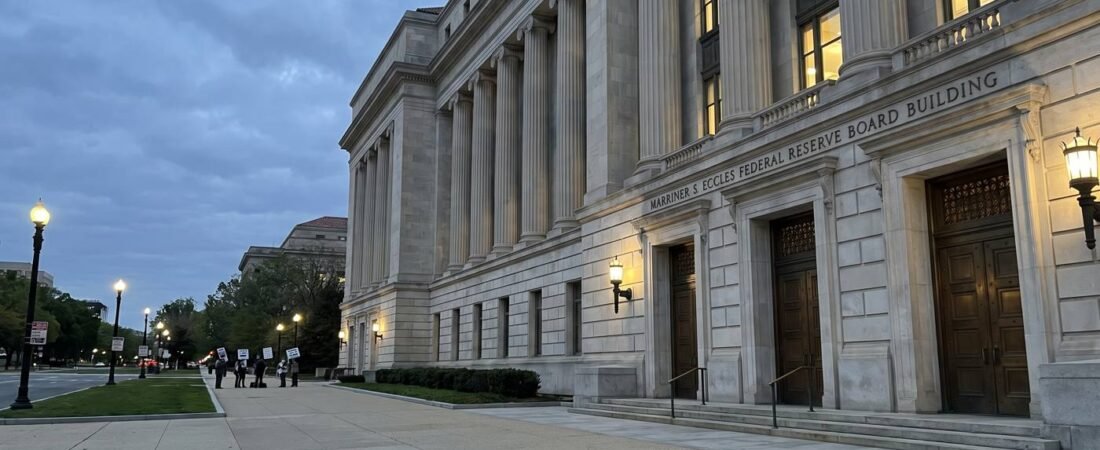
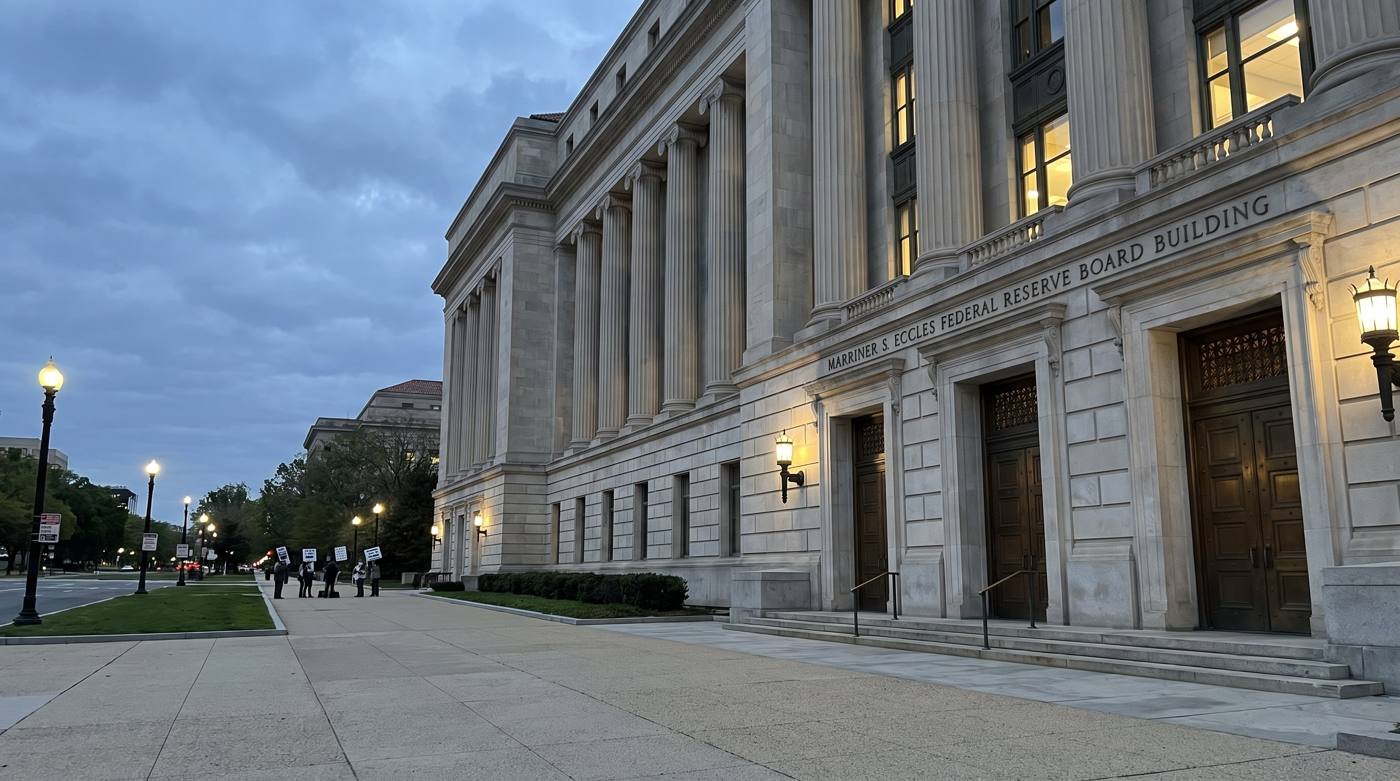
The Federal Reserve held its benchmark interest-rate range at 3.75% to 4.00% on October 28, leaving households and markets with an awkward combination: inflation is still well above the Fed’s 2% goal, but the economy has not weakened enough to force an immediate move. The 10–2 vote, with two officials preferring a quarter-point hike, keeps another increase in play at the Fed’s December 8–9 meeting—just as voters head to the polls on November 3.
The decision also sharpened a political argument beyond interest rates. High food, energy, housing and borrowing costs are central to the midterm campaign, while President Donald Trump has criticized the central bank and its policy choices. Fed leadership says politics did not determine the decision. The timing means voters will judge the economic backdrop before the next policy test.
What the Fed decided—and what it did not
Fact: The Federal Open Market Committee approved the hold by a 10–2 vote. Governors Lisa D. Cook and Cleveland Fed President Beth M. Hammack dissented because they preferred a 0.25-percentage-point increase. The official statement said economic activity was expanding “at a strong pace,” domestic spending was resilient, productivity growth was strong and capital investment was robust. It also said inflation “remains elevated.” (Federal Reserve statement)
That wording matters. The committee did not present the pause as proof that inflation had been defeated. It said more information would help determine the policy stance needed to bring inflation back to 2%. A hold buys time; it does not close the case on further tightening.
Reuters reported that Chair Kevin Warsh described the economy as moving in the right direction and argued that the Fed could lower inflation without “throw[ing] sand in the gears” or pushing people out of work. His assessment puts the burden on incoming data: if demand and productivity remain strong, officials can wait; if price pressures broaden, the case for another hike strengthens. (Reuters, October 28)
Inflation is still a household problem
Fact: The September Consumer Price Index rose 3.7% from a year earlier, up from 3.4% in August. Core CPI, excluding food and energy, rose 2.6%. Gasoline prices increased 9.1% in September alone and were up 34.2% over 12 months, according to the Bureau of Labor Statistics. Shelter rose 3.2% over the year. (BLS CPI release)
The Fed’s preferred broad inflation gauge also remained above target. The Bureau of Economic Analysis reported that the September personal consumption expenditures price index increased 3.6% from a year earlier, while the measure excluding food and energy rose 3.1%. The monthly PCE price index increased 0.5%. (BEA Personal Income and Outlays release)
Analysis: A slower rate of increase does not reverse the price-level gains households have already absorbed. Families make decisions based on current grocery, utility, rent and insurance bills, not only on whether prices are rising more slowly than last year. That helps explain why inflation remains politically potent.
Energy is particularly visible. Higher gasoline and diesel costs hit households directly and raise expenses for shipping, agriculture and other businesses. Reuters cited elevated energy prices, resilient demand and AI-related inflation pressures as reasons the forces keeping the Fed hawkish had not disappeared. (Reuters, October 28)
Why December remains a live question
Financial markets were still pricing roughly an 80% chance of a December hike after the October decision, according to Reuters. Markets also expected another increase by March, although conviction eased somewhat after Warsh’s press conference. That pricing is not a Fed promise. It reflects investors’ interpretation of the inflation data, the dissenters’ votes and the committee’s warning that it must ensure a timely return to 2%. (Reuters, October 28)
The next CPI report is scheduled for November 10, after the election and before the December meeting. Voters therefore will assess the latest available inflation evidence without knowing whether the Fed will raise rates again. Officials will have additional data by December, but the election will not determine the committee’s mandate or its 2% inflation goal.
Analysis: The dissent is more significant than the headline hold because it shows that the committee’s debate is not simply about when to cut. Some policymakers believe the current setting is not restrictive enough to contain price pressure. Others appear willing to let the September hike and tighter financial conditions work through the economy. Every inflation, employment and spending report will now be read as evidence for one side or the other.
Strong growth is complicating the bond-market outlook
The Fed’s stronger economic language unsettled some bond investors. Reuters reported that longer-term Treasury yields rose after the decision, with the yield curve steepening as investors weighed persistent inflation, federal borrowing needs and the possibility that rates will stay elevated. (Reuters, October 29)
That reaction highlights a policy tension. A strong economy can make higher rates easier to tolerate in the short run, but it can also keep demand and price pressures firm. If investors demand more compensation to hold long-term government debt, mortgage rates and other borrowing costs can remain high even without an immediate Fed hike.
Election pressure puts independence in focus
Inflation and living costs are major issues in the races that will decide whether Republicans retain control of Congress on November 3. The Fed’s decision arrives in that political environment, even though its mandate is economic: maximum employment and price stability.
Reuters reported that Trump has criticized the Fed after its September rate increase, calling colleagues “hostile” and “partisan,” while Cook is being targeted by the president for removal. Warsh said politics played no role in the October decision. (Reuters, October 28)
Analysis: The independence dispute is tied to the cost-of-living debate. Elected officials can campaign on prices and advocate policies that affect growth or inflation. The central bank must decide whether demand and prices are consistent with its mandate. If voters hear the hold as evidence that the Fed is too cautious, or a future hike as evidence that it is harming households, pressure on policymakers will rise either way.
Closing: a pause with consequences ahead
The October 28 decision did not settle the inflation fight. It confirmed that the Fed sees enough economic strength to wait, while two officials judged that waiting carried too much risk. With CPI at 3.7%, PCE at 3.6% and December hike pricing still substantial, the next meeting remains a genuine policy decision rather than a formality.
For voters, the immediate issue is the cost of living. For markets, it is how long rates and Treasury yields stay high. For the Fed, the test is whether patience brings inflation down without a sharper slowdown—and whether it can make that judgment without allowing election-season pressure to define monetary policy.
