Published October 31, 2026
The White House has made housing affordability the focus of a new economic-policy action as high prices and mortgage rates continue to pressure U.S. households. On Oct. 22, President Donald Trump signed an executive order intended to reduce selected costs of homeownership, including mortgage insurance, refinancing and some government-backed loan rates. Facts: The order is a directive to federal agencies and regulators. It does not itself deliver a nationwide payment reduction or set a new mortgage rate. Analysis: Its near-term significance is therefore more about changing the rules and instructing agencies to design programs than about an immediate change in what most borrowers pay.
What the October 22 order directs
The order asks the Federal Housing Finance Agency (FHFA) to direct Fannie Mae and Freddie Mac to establish a pilot program that would periodically review certain single-family mortgages. Borrowers who appear to meet equity, payment-history and other requirements could have mortgage insurance canceled proactively, based on current property values. The order says the program would apply only to mortgages made after the pilot is established and would have to meet safety-and-soundness and legal requirements. White House executive order
Mortgage insurance is often required when a borrower has a relatively small down payment. Canceling it can reduce a monthly payment, but the order does not specify a universal dollar amount or an implementation date. It leaves the FHFA to set the pilot’s procedures and requires servicers, when legally and operationally feasible, to notify eligible borrowers.
The order also asks the FHFA to expand a title-acceptance pilot into an ongoing, nationwide program for eligible refinance transactions. Under the proposed approach, an Enterprise could accept an automated title review or another FHFA-approved title-risk assessment instead of a lender’s title-insurance policy. The order tells the agency to consider wider eligibility, more approved providers and fewer documentation requirements for some limited-cash-out refinances that reduce monthly payments. It also says savings must be passed through to borrowers and disclosed by lenders.
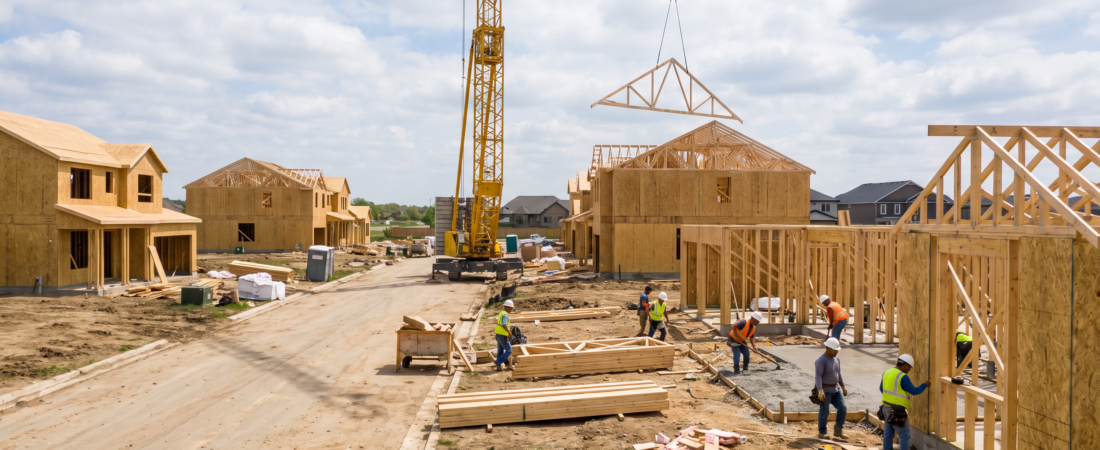
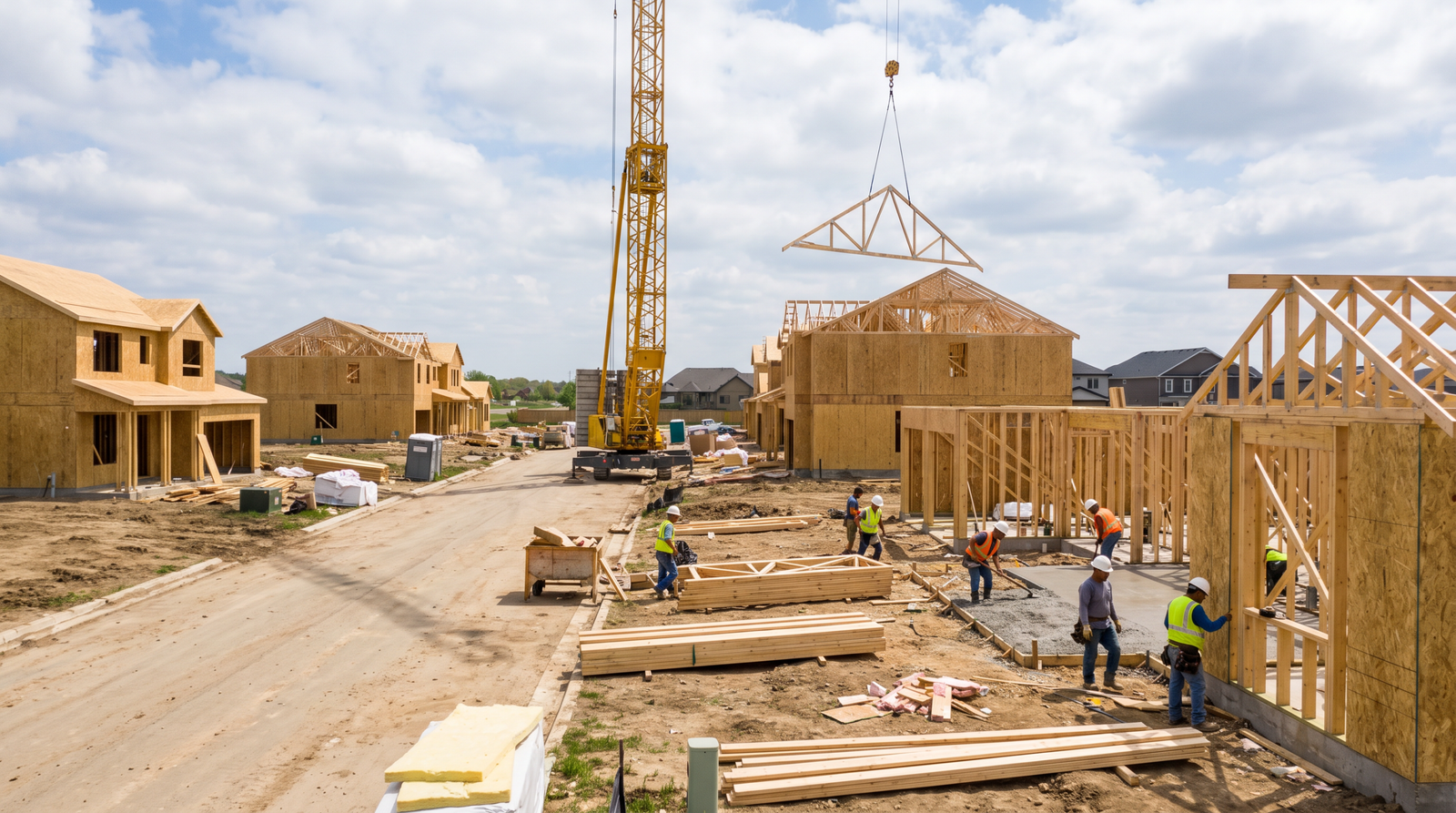
A third element creates a Task Force on Manufactured Housing Innovation. Co-chaired by the Housing and Urban Development secretary and the FHFA director, the task force has 180 days to submit recommendations on standards, inspections, approvals and federal-program rules for factory-built housing. The order asks the group to consider ways to reduce duplicative reviews and encourage production while retaining safety and consumer-protection standards.
Finally, the Agriculture and Veterans Affairs secretaries are directed, consistent with law and available appropriations, to reduce interest rates on single-family loans made directly by their departments. The wording matters: those departments must act within their legal authority and funding, so the order is not a blanket rate cut for every government-backed mortgage.
Why housing is a cost-of-living issue now
Housing costs are only one part of the household budget, but they are a large and persistent one. The latest available Consumer Price Index release, covering September, reported that the shelter index rose 3.2% over the year. The overall CPI rose 3.7% over the same period, while the index for all items excluding food and energy rose 2.6%. The Bureau of Labor Statistics also reported a 0.4% monthly increase in shelter in September. Bureau of Labor Statistics CPI release
Mortgage borrowing has added to the affordability problem. Reuters reported on Oct. 22 that the average 30-year fixed mortgage rate had reached 7.40% the previous week before easing to 7.32%, citing Freddie Mac. Reuters also reported that pending sales of previously owned homes fell to a record low in September and that single-family housing starts and permits declined. Those figures describe market conditions around the order’s signing; they do not prove that the order caused later changes. Reuters report
The broader political context is also clear. ABC News reported that the economy was a leading concern ahead of the Nov. 3 midterm elections, citing 3.7% September inflation, a $4.22 average price for regular gasoline, and consumer sentiment near the lowest level in the University of Michigan survey’s history. Those figures help explain the order’s political salience, but they are separate from its legal effect. ABC News economic report
What borrowers and buyers should watch next
Facts: As of Oct. 31, the order’s most consequential mortgage provisions remain contingent on agency implementation. The FHFA must determine whether pilots or expanded programs are in the interests of the Enterprises, the agency and the public, while observing statutory, contractual and safety requirements. The manufactured-housing task force has a 180-day recommendation deadline. The order also states that implementation is subject to applicable law and available appropriations and creates no enforceable right or benefit for private parties.
Analysis: That language limits what can responsibly be promised to households today. A borrower should not assume that private mortgage insurance will be canceled automatically, that a refinance will be cheaper immediately, or that a lower federal loan rate is already available. Actual savings will depend on final eligibility rules, lender and servicer participation, property valuations, interest rates and the agencies’ decisions.
The potential upside is targeted rather than universal. A qualifying borrower with sufficient equity might eventually avoid some insurance payments. An eligible homeowner could benefit if a title-assessment alternative lowers refinancing costs and savings are passed through. Greater use of factory-built housing could reduce construction costs over time, but the task force has not yet produced recommendations, and local constraints would still matter.
The order also does not directly address every source of housing unaffordability. It does not set home prices, cap rents, lower market mortgage rates or create a specific national construction target. Its approach is to reduce selected transaction and regulatory costs and to encourage supply through federal housing programs.
Bottom line
Trump’s housing-cost executive order is a real and dated federal action with several potentially meaningful components: a proposed mortgage-insurance pilot, broader title alternatives for some refinances, a manufactured-housing task force and lower rates for certain direct Agriculture and Veterans Affairs loans. Facts: The White House issued it on Oct. 22, and reputable reporting confirms the housing-market pressures surrounding it. Analysis: The order’s effect on household budgets remains uncertain because key programs still require agency design, legal review and implementation. For now, it is best understood as a framework for possible relief—not proof that most Americans’ housing payments have already fallen.
Sources
- White House, “Decreasing Housing Costs for the American People,” October 22, 2026
- White House, “Fact Sheet: President Donald J. Trump Decreases Housing Costs for Americans,” October 22, 2026
- Reuters, “Trump signs executive order aimed at reducing housing costs,” October 22, 2026
- Bureau of Labor Statistics, “Consumer Price Index—September 2026,” October 14, 2026
- ABC News, “What to know about the US economy as midterm elections near,” October 30, 2026