Dek: New citizenship-document and voter-identification rules are in effect or scheduled to apply in several states for the November 3 midterms, with the biggest practical changes affecting first-time registrants and student voters.
As voters prepare for the 2026 midterms, the most important changes are not one new national rule but a collection of state policies. South Dakota and Utah now require documentary proof of citizenship for certain or all new registrants. Mississippi has added a database-based document check for some applicants. Indiana, New Hampshire and Montana have narrowed the use of student IDs at the polls. Other states have changed which financial or non-government documents can be used to establish identity.
The changes are part of a larger post-2024 pattern. The Brennan Center’s October 2026 roundup counts 47 restrictive voting laws enacted in 22 states since the 2024 election; 38, plus parts of one other law, are scheduled to be in effect for the midterms. The center also counts 61 expansive laws in 32 states, underscoring that the national picture is mixed rather than uniform.
Proof of citizenship is the clearest new hurdle
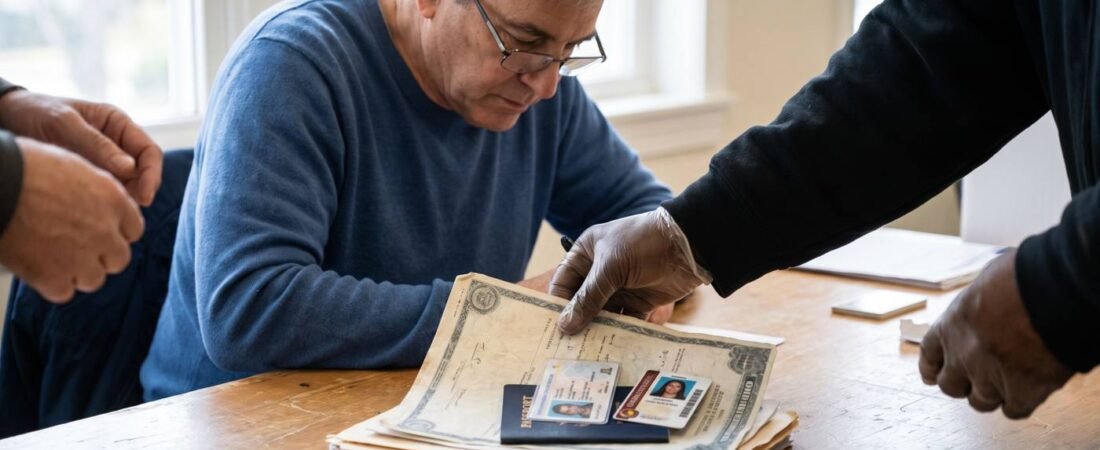
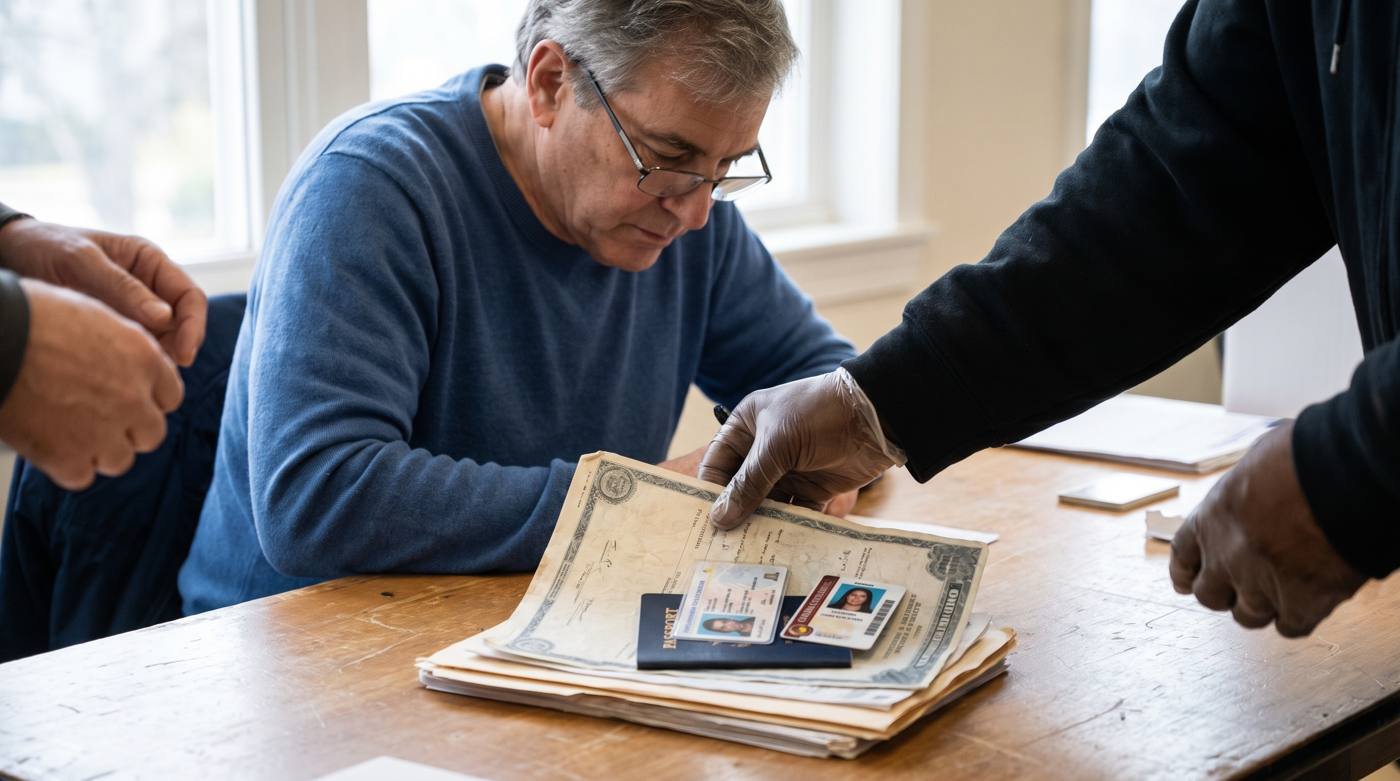
Fact: South Dakota’s Senate Bill 175 took effect March 26. The South Dakota secretary of state’s guidance says people registering for the first time, or people who have been removed from the rolls, must provide documentary proof of citizenship. Accepted evidence includes a qualifying South Dakota or other state identification card, a tribal identification card, or a copy of a birth certificate, U.S. passport, consular report of birth abroad or naturalization certificate.
The office says people already registered do not need to submit proof simply to update an address, party affiliation or name. The state registration page also warns that the law expands the circumstances in which a person may be designated a federal-only voter. South Dakota’s new law is being challenged in court, according to the Brennan Center, so its legal status remains a material uncertainty even though it is scheduled to apply in November.
Utah’s rule is broader. The Utah lieutenant governor’s 2026 voter pamphlet lists ways to establish U.S. citizenship, including a driver-license or state-ID number that verifies citizenship, a birth certificate, passport pages, naturalization documents, certain tribal records or federal SAVE verification. The Brennan Center reports that voters who do not provide the required documents may be limited to federal contests rather than state and local races.
Analysis: These rules do not create a new citizenship qualification. Citizenship was already a requirement for voting. They change the evidence some applicants must produce and the consequence of not producing it. That distinction matters because a citizen who can attest to eligibility may still lack a readily available birth certificate, passport or qualifying identification card.
Mississippi uses a narrower screening path
Mississippi’s new requirement is aimed at a smaller group than the South Dakota and Utah laws. Under the Brennan Center’s account, applicants whose information cannot be confirmed through existing state and federal citizenship databases may be asked for a birth certificate, passport or another citizenship document. The law is already in effect.
Analysis: A database question is not the same as a finding that a person is ineligible. It is a trigger for additional documentation, and the practical burden may depend on name changes, record errors or the availability of older documents.
Mississippi’s ordinary polling-place ID list remains broader than many voters may assume. The National Conference of State Legislatures’ voter-ID summary lists Mississippi driver’s licenses, state IDs, passports, military and tribal IDs, firearms licenses and student IDs issued by accredited Mississippi colleges, among other options. The citizenship-document rule applies at registration, not as a general replacement for the state’s polling-place ID list.
Student IDs are losing ground in three states
Fact: New laws in Indiana, New Hampshire and Montana restrict or remove student IDs as an acceptable form of identification at the polls, according to the Brennan Center. The change is consequential for students who attend college away from home or who do not have a driver’s license or another government-issued photo ID.
Indiana’s 2026 official voter materials describe the state’s requirement to present a government-issued photo ID that is current, displays the voter’s name and photograph, and substantially conforms to the voter-registration record. The state’s new restriction means a college-issued ID may no longer fill that role, even if it identifies the student clearly.
Montana’s change is paired with other adjustments to the provisional-ballot process, the Brennan Center reports. The NCSL overview shows how Montana’s previous framework included a student photo ID from a Montana university-system school or an eligible National Association of Intercollegiate Athletics school, as well as alternative documents such as a utility bill or bank statement. Voters should confirm the current list with county officials rather than rely on older checklists.
New Hampshire is the most visible example because of litigation immediately before the election. The Supreme Court’s October 22 order allowed the state to enforce the student-ID restriction for the midterms while the underlying case continues. The Associated Press report describes the ruling. The Brief Lens has already reported the New Hampshire dispute; the broader point here is that a state’s fallback verification process may not make a student card an accepted ID.
What voters should verify before November 3
The rules differ at three stages: registering, updating a registration and checking in at the polls. A person who is already registered may not need citizenship documents to update a record in South Dakota, while a first-time applicant may. A student ID may be acceptable in one state, unusable in another and usable only through a local verification process in a third.
Analysis: The safest general approach is to check the current instructions from the state or county election office, especially if you are registering for the first time, recently changed your name or address, attend school away from home, or plan to use an ID issued by a college. Voters should also ask what alternatives exist if a document is unavailable and whether a provisional ballot can be cured after Election Day.
The national pattern remains unsettled
The Brennan Center says almost half of the 47 restrictive laws enacted since the 2024 election create or tighten documentary requirements for at least some voters. Many expansive laws are also scheduled for the midterms, and several restrictive provisions face lawsuits or delayed effective dates.
For voters, that means national headlines can be misleading. “Proof of citizenship law” may describe a universal rule in one state and a database exception in another. “Student-ID ban” may mean a clear prohibition in one place and a disputed fallback procedure in another. The practical question is not whether a state has changed its election law, but which voters are covered, what documents count and what remedy exists if the first document is rejected.
Until courts or legislatures change them, voters should treat state election-office guidance—not an old campus card checklist or a national summary—as the controlling source for their own ballot.