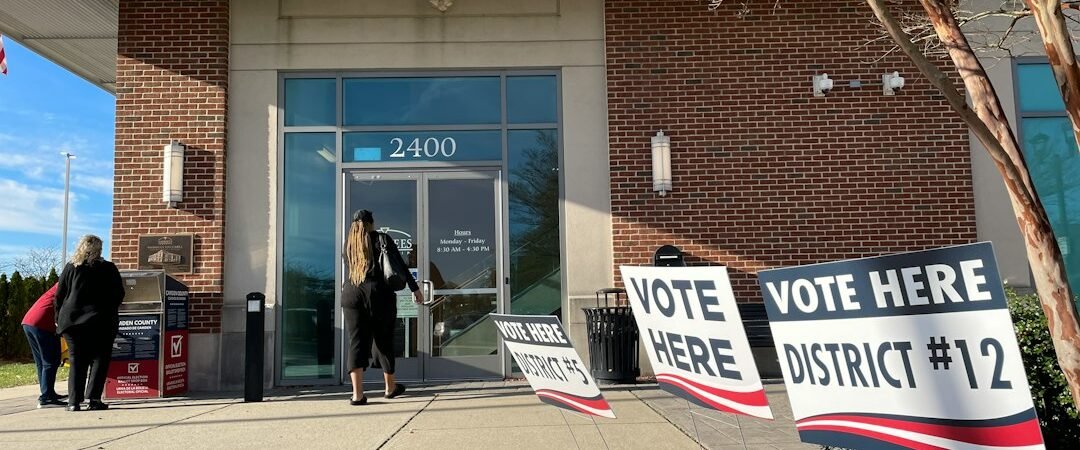
Poll watchers, election observers and election workers may all be present around voting, but they do not have the same responsibilities. Election workers administer voting procedures. Authorized observers may monitor specified parts of the process under applicable rules. Neither role gives someone unlimited authority over voters or the counting process.
What election workers do
Election workers are responsible for tasks such as checking in voters, issuing ballots, explaining permitted procedures, maintaining orderly polling places and following accessibility and security rules. Their duties and training are set by state and local authorities.
What poll watchers or observers do
Where state law allows, authorized watchers may observe designated activities, such as check-in, ballot processing or tabulation. States may set rules for who can serve, how credentials are issued, where observers may stand, what they may record and how they must raise concerns. Some activities are restricted to protect ballot secrecy and voter privacy.
What observers generally cannot assume
A watcher should not assume they can decide whether a person is eligible, handle another voter’s ballot, intimidate voters, disrupt the line or ignore instructions from election officials. Exact prohibitions and enforcement procedures vary by jurisdiction, so the official local rules matter.
What voters should do if something seems wrong
- Stay calm and follow lawful instructions from election staff.
- If someone appears to be interfering with voting, tell the polling-place supervisor or designated election official.
- Ask how to contact the county or state election office if the issue is not resolved.
- If there is an immediate threat or violence, contact the appropriate emergency service.
- Record factual details afterward if safe to do so, but do not photograph ballots or voters where prohibited.
Use the U.S. Election Assistance Commission’s voter resources and your state election agency for authoritative local guidance.
How to evaluate claims about polling places
A photo or short video may omit context, location, date or the instructions given by officials. Before sharing a claim, identify the jurisdiction, seek a statement from the responsible election office and look for reliable reporting that verifies the specific allegation. Distinguish a documented incident from speculation about what it means for an election.
Our guides explain who runs elections and how to verify suspicious political videos.
Bottom line
Observers can play a role in transparency, but their authority is limited by law and procedure. For a concern at a polling place, rely on the designated election official and the rules for that jurisdiction.