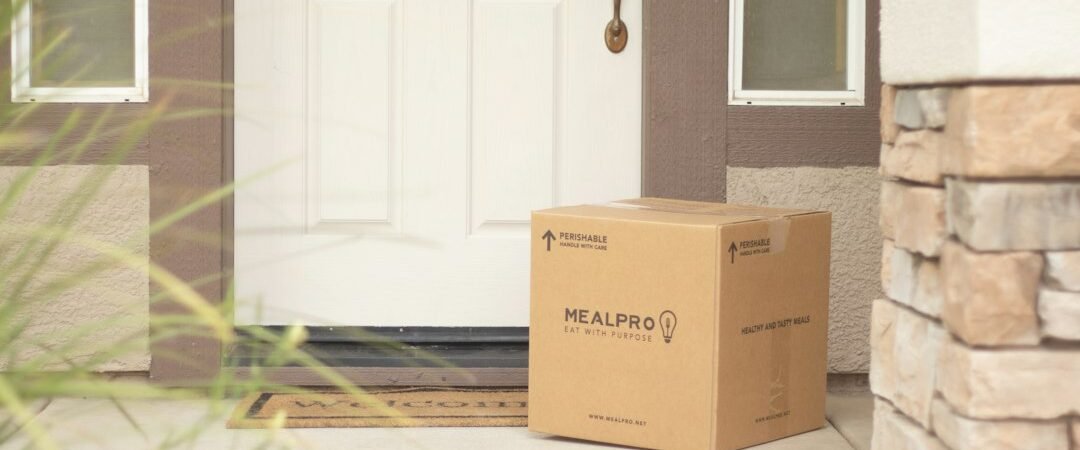
A message claiming that a package cannot be delivered may arrive just when you are expecting an online order. Scammers exploit that timing with texts about an incomplete address, a missed delivery, or a small redelivery fee. The message may use a carrier logo or tracking number to look convincing, but the link can lead to a fake site designed to steal payment details or personal information.
Common warning signs
- An unexpected fee: The text asks you to pay a small amount to release or redeliver a parcel.
- A suspicious web address: The link uses a misspelled carrier name, an unfamiliar domain, or a shortened URL.
- Urgent pressure: The message threatens to return the package unless you act immediately.
- Requests for sensitive details: The page asks for card information, passwords, or identity details unrelated to normal tracking.
- A message you were not expecting: You have no matching order or cannot connect the tracking number to a real shipment.
Spelling mistakes can be a clue, but polished language is not proof that a message is legitimate. Scammers can copy official branding and write convincing messages.
How to check a package safely
- Do not tap the link in an unexpected text.
- Open the retailer’s official app or type the carrier’s known website address into your browser.
- Enter the tracking number from the original order confirmation, if you have one.
- If the carrier shows a real issue, use the contact information on its official website to resolve it.
- Report suspicious messages using the carrier’s published process and your phone provider’s spam-reporting feature.
What if you already clicked?
If you opened the link but did not enter information, close the page and do not download anything. Keep your device and browser updated. If you entered a password, change it on the real service using a trusted route, and change it anywhere else you reused it. If you provided payment-card information, contact the card issuer using the number on the card or official app, explain what happened, and ask about blocking or replacing the card.
If you shared a Social Security number or other identity information, visit IdentityTheft.gov for steps tailored to the information exposed. Keep screenshots, transaction records, and copies of messages for your report.
How to reduce future risk
- Track orders through retailer accounts and official carrier apps.
- Use unique passwords and multifactor authentication on shopping and email accounts.
- Keep payment alerts enabled so you can spot unfamiliar charges quickly.
- Warn family members—especially anyone who regularly receives deliveries—about fake redelivery links.
The U.S. Postal Inspection Service explains package-tracking text scams. The Federal Trade Commission’s phishing guide offers additional advice on suspicious messages. For related holiday shopping risks, see our guide to gift card scams.
Featured image: Delivery package at a home, photo by MealPro via Unsplash.