The recount of North Carolina’s House District 20 race will resume Friday after election workers in New Hanover County stopped Thursday evening without completing the review. Democrat Tim Merrick remains ahead of Republican Dane Scalise by 77 votes in the official canvass, but the result is not final while the recount process continues. The state’s election board expects initial recounts to finish by Nov. 23 and is scheduled to consider statewide certification on Nov. 24. As of November 20, 2026, no recount result has been announced.
Facts: What happened in the recount
The New Hanover County Board of Elections began the recount at 9 a.m. Thursday and stopped at 7 p.m. It planned to resume at 8:45 a.m. Friday, according to WECT’s report on the unfinished recount. The report said the recount was still underway when published and that an update would follow when results were released.
The latest official canvass figures cited by WECT show Merrick with 22,156 votes and Scalise with 22,079, a difference of 77 votes. The margin narrowed from 101 votes on election night after the county canvass on Nov. 13. The contest is for an open seat because Republican Rep. Ted Davis is leaving the district’s current position, according to WECT.
Scalise, a New Hanover County commissioner, requested the recount on Monday. In his written request to the county board, he said a recount was appropriate so voters could have confidence in the final result. Merrick, a county school board member, told WECT he expected a recount and was confident in the outcome. Neither candidate’s statement changes the legal status of the count: the result remains subject to the recount and subsequent certification.
The race is one of several North Carolina contests close enough to trigger recount requests. Carolina Journal reported that 12 contests had recounts requested or ordered, including two congressional races and three state legislative races. House District 20 was the closest of the legislative contests listed in that report, with Merrick’s 77-vote lead representing about 0.17% of the vote.
Facts: How North Carolina’s process works
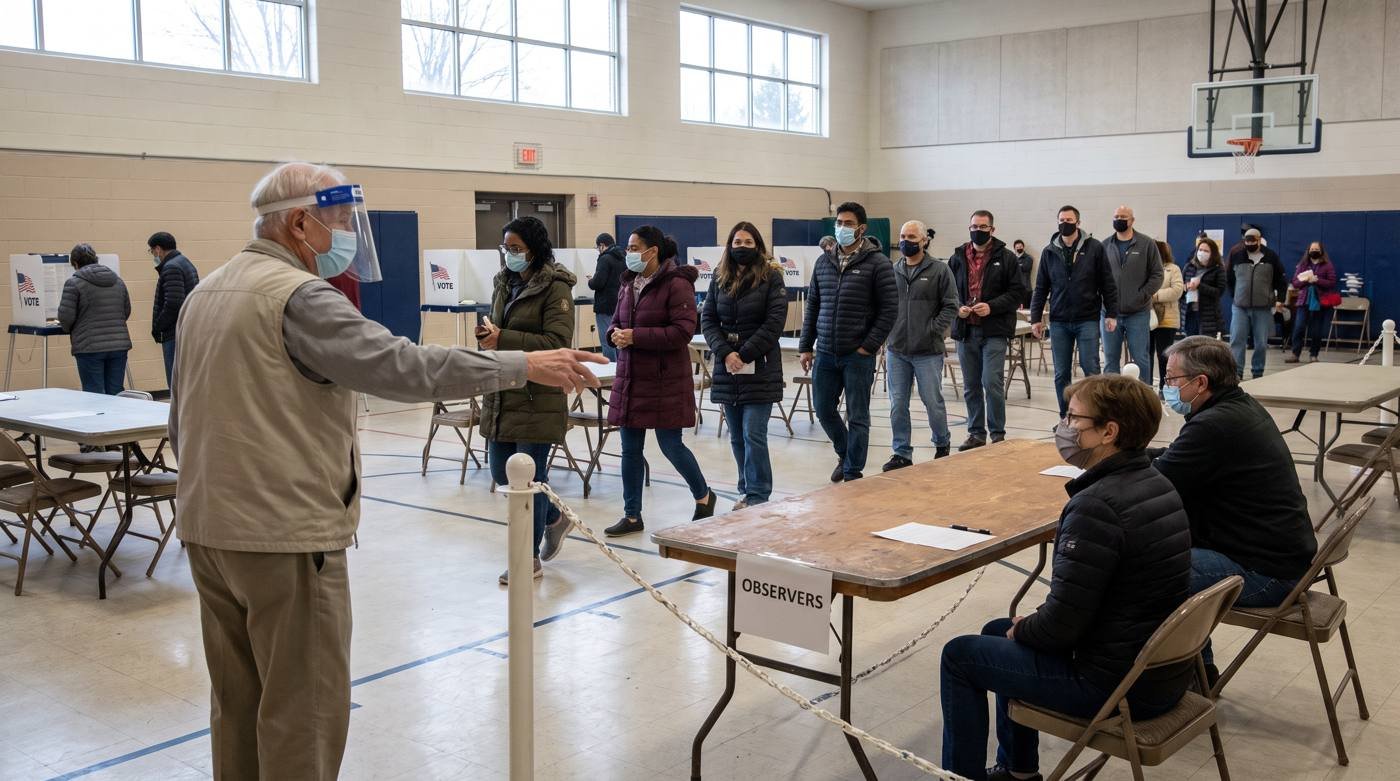
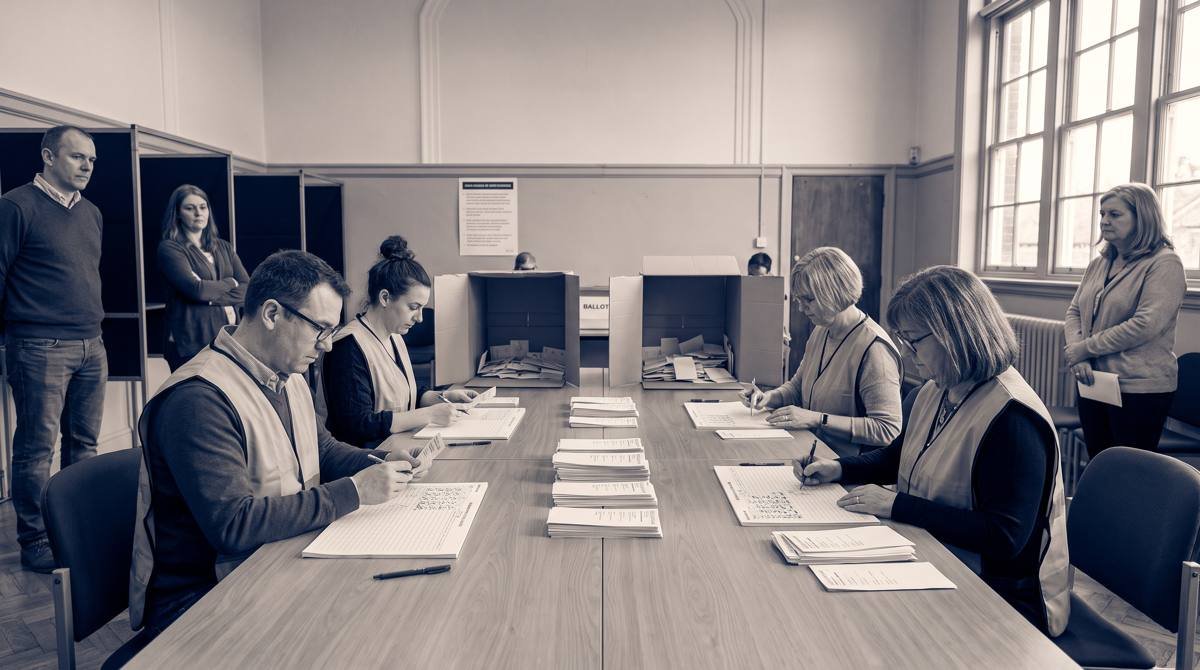
The North Carolina State Board of Elections’ official explanation says the first step is a full machine recount of all ballots cast in the contest. Ballots rejected by the tabulator are reviewed by a four-person bipartisan team. The recounts are open to public observation, although state law bars photography or video that records voted ballots.
After the machine recount, the trailing candidate has 24 hours to request a hand-to-eye recount of a randomly selected sample covering 3% of precincts and early-voting sites. The state board says a full hand recount can be ordered if the sample’s discrepancies, projected across the contest, would reverse the apparent result.
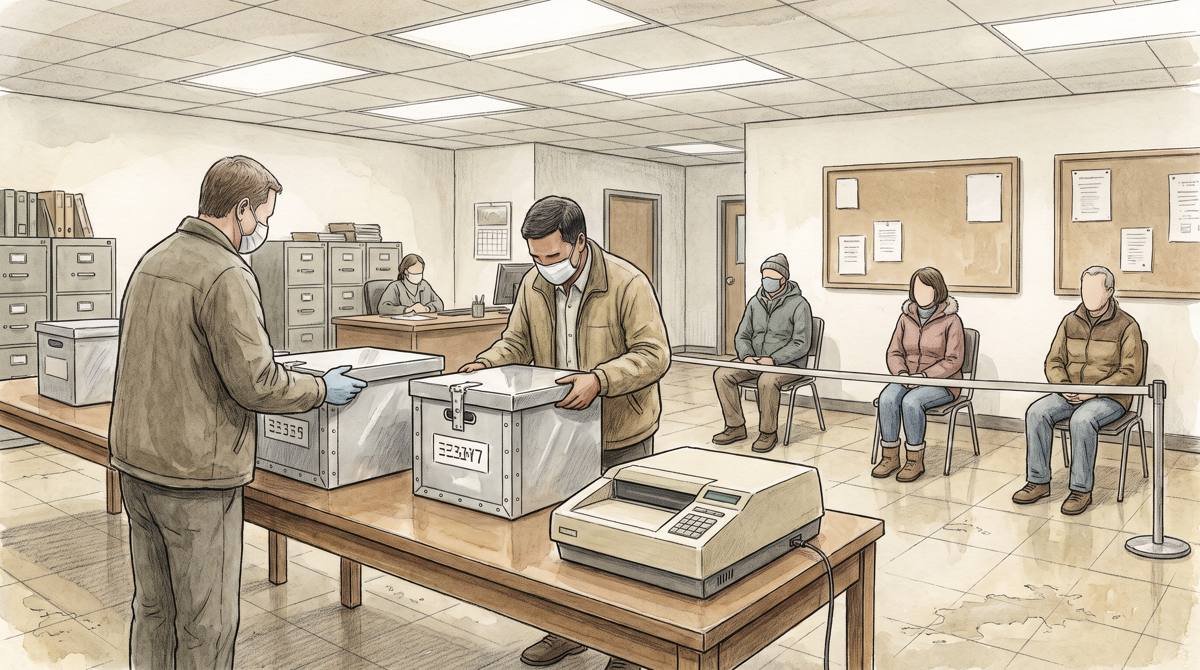
The board’s Numbered Memo 2026-01 adds operational detail. A recount must begin within the required statutory schedule, use bipartisan teams, and keep ballots secured during breaks. The memo says a machine recount should be completed no later than the fifth business day after it begins, while county boards are expected to plan around the state canvass calendar.
The state board’s Nov. 13 notice set Nov. 23 as the expected completion date for initial recounts and Nov. 24 as the meeting to consider statewide certification. The notice also says the board can delay certifying individual races if recounts are still ongoing.
Analysis: Why the pause matters, and what it does not show
A one-day pause in a recount is not evidence that ballots were mishandled or that the result has changed. County workers must account for ballots, operate tabulators, resolve machine-rejected ballots, and preserve a public observation process. The state guidance explicitly contemplates breaks, secure storage, and scheduling constraints. In this case, the only verified development is that the first day ended before the county finished.
The 77-vote margin is narrow enough to require careful review, but it does not by itself predict a reversal. A machine recount may confirm the canvassed totals, change them slightly, or produce questions that lead to the sample hand count. A full hand recount would require the sample results to meet the state board’s reversal standard. Until those steps are completed, describing Merrick as the certified winner would be premature.
The timing also creates a clear procedural checkpoint. If New Hanover finishes the initial count and no further recount step is triggered, the state board can move toward certification at its Nov. 24 meeting. If the machine or sample hand recount remains unresolved, the board may delay certification of the individual House District 20 contest while certifying other results. That means the seat’s status could remain unsettled even as North Carolina certifies most of the 2026 election.
The contest has significance beyond the candidates because it is an open legislative seat and one of multiple close North Carolina races still moving through post-election procedures. But it should not be folded into broader claims about the state’s overall election outcome until officials release the recount totals and complete certification. The next verifiable update is the county’s recount result, followed by any 24-hour request for a sample hand count and the state board’s certification action.
Sources
- North Carolina State Board of Elections: North Carolina’s Recount Process Explained
- North Carolina State Board of Elections: Numbered Memo 2026-01 — Conduct of Recounts
- WECT: Recount unfinished in tight NC House District 20 race, set to resume Friday
- Carolina Journal: Recounts in 12 NC contests, 2 separated by 1 vote