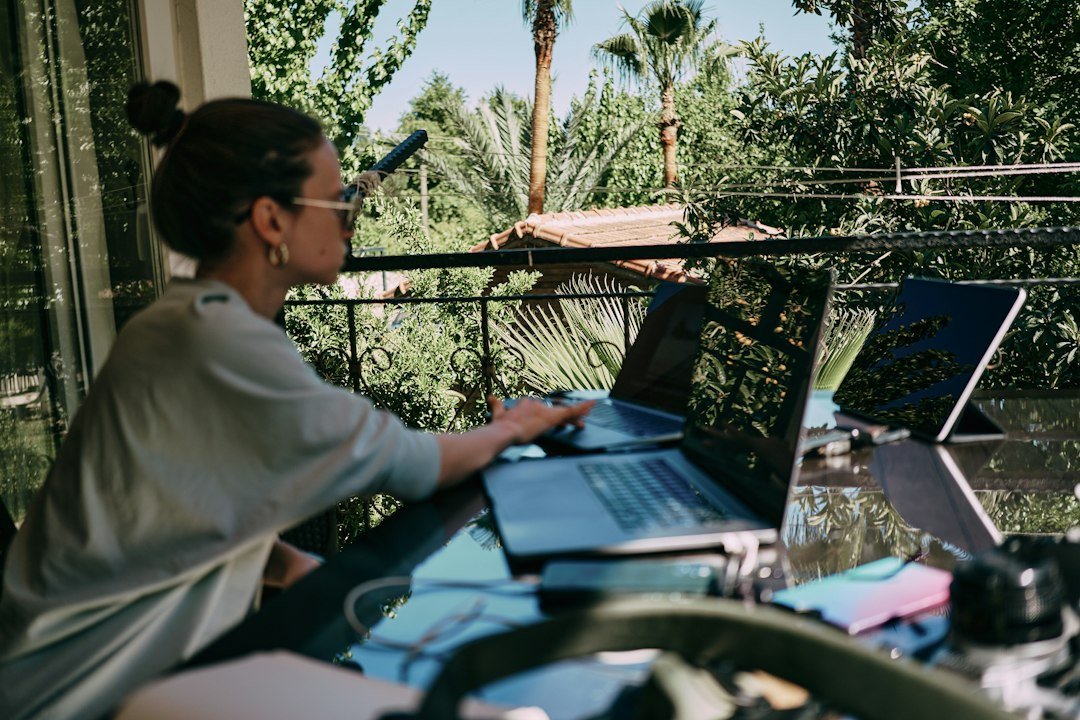
You do not need a large yard to grow fresh herbs and vegetables. A balcony, patio, sunny windowsill, or small outdoor corner can support a productive container garden when plants match the available light and have enough root space. Start with a few easy crops, learn how your space behaves, and expand gradually. For a broader introduction, read our small-space vegetable garden guide.
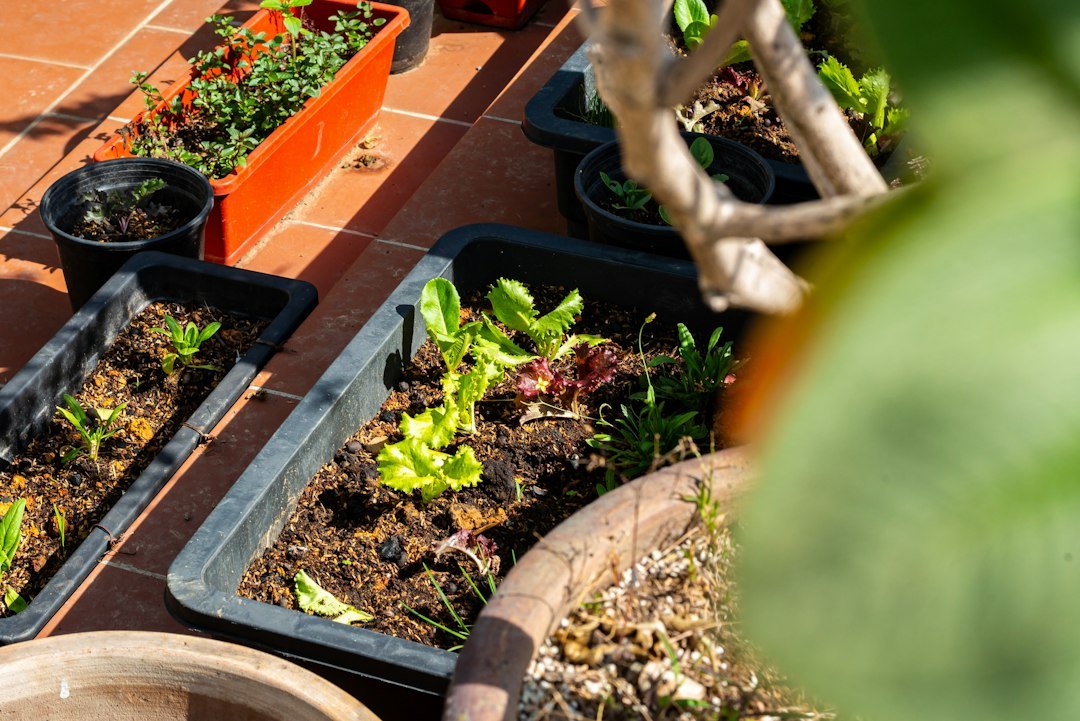
Image: Khanh Do / Unsplash
1. Check sunlight first
Observe the area at different times of day. Fruiting crops such as tomatoes and peppers generally need several hours of direct sun, while leafy greens and some herbs tolerate partial shade better. Buildings, trees, railings, and seasons affect light. Choose crops suited to the conditions rather than expecting a sun-loving plant to thrive in deep shade.
2. Choose containers with drainage
Use pots or grow bags with drainage holes. Waterlogged containers can suffocate roots and encourage rot. Larger pots usually dry more slowly and give roots more room. Match pot depth and width to the crop: salad greens and herbs need less root space than tomatoes or larger vegetables.
3. Use a suitable potting mix
Garden soil can become dense in pots and drain poorly. A quality container potting mix is generally a better starting point. Follow fertilizer directions and avoid adding strong feeds without checking the crop’s needs. Use local planting guidance because climate and season matter.
4. Beginner-friendly crops
- Leaf lettuce: Useful for repeated harvests in suitable cool conditions.
- Radishes: Often mature quickly when kept evenly moist.
- Green onions: Convenient in smaller containers.
- Herbs: Parsley, chives, and basil can be useful near the kitchen if light and temperature suit them.
- Compact tomatoes: Choose a container variety and provide sun, support, and a sufficiently large pot.
- Peppers: Often grow well in warm, sunny locations with consistent moisture.
5. Water consistently
Containers can dry faster than garden beds, especially in wind or hot weather. Check the mix with a finger rather than watering automatically on a fixed schedule. Water thoroughly until excess drains, then let the surface begin to dry according to the crop’s needs. Avoid leaving pots in stagnant water.
6. Feed and inspect plants carefully
Frequent watering can wash nutrients out of containers. Use fertilizer labeled for edible plants and follow its instructions. Inspect leaf undersides for pests, identify the problem before treatment, and use only products labeled for the crop. Avoid overcrowding and encourage airflow.
Your first-week checklist
Choose a location, select two or three crops, buy containers with drainage, fill them with potting mix, label what you plant, and note watering conditions. Keep a short record of sunlight and growth. Small observations teach you more about your microclimate than buying many plants at once.
Final tip
Successful container gardening comes from matching the crop to light, container, and climate—not from expensive equipment. Start small, keep notes, and improve one thing each growing cycle.