
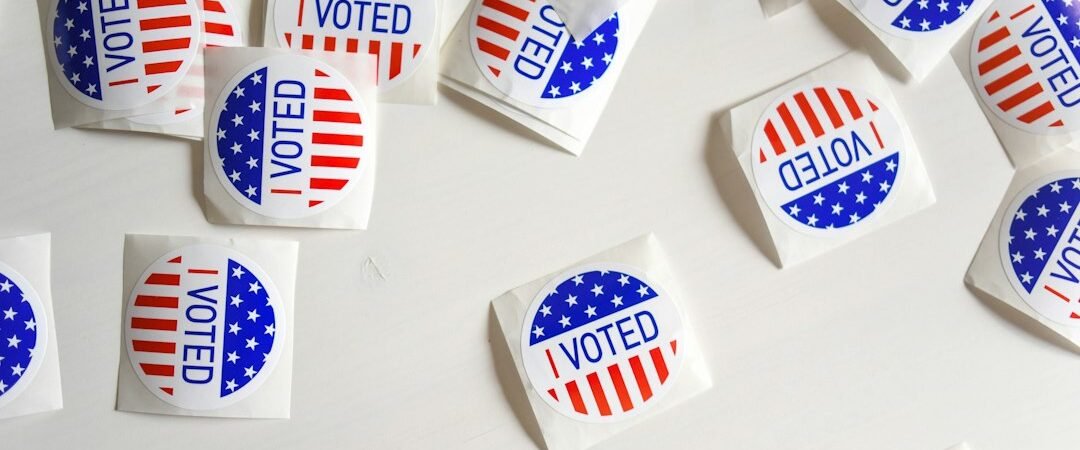
With the 2026 U.S. midterm general election scheduled for Tuesday, November 3, voters should confirm the details that determine how and where they can cast a ballot. Election procedures are administered primarily by states and local jurisdictions, so a rule that applies in one state may not apply in another. This guide focuses on the steps every voter can verify using official sources.
1. Check your voter registration
Confirm that your registration is active and that your name and residential address are correct. Moving, changing a name, or missing a registration deadline can affect the process. Start with Vote.gov, then follow the link to your state or territory’s election office. Do not rely on an old registration card or a social-media post as the final word.
2. Confirm your polling place and hours
Polling locations can change because of facility availability, district boundaries or local administrative decisions. Use the official election office’s lookup tool close to Election Day. Check the opening and closing time, address, parking or transit information, and any instructions for entering the building. A location shown on a third-party map may be outdated.
3. Read your state’s voter ID rules
States differ on whether identification is required, which documents qualify, and what alternatives exist if a voter does not have the requested ID. Check the current official rules rather than assuming a driver’s license is always necessary—or that it is never necessary. If you have questions, contact the local election office before traveling to vote.
4. Decide which voting method is available to you
Depending on the jurisdiction, voters may have options such as early in-person voting, absentee or mail voting, or voting on Election Day. Dates, eligibility, return methods and ballot-receipt deadlines vary. If you request a mail ballot, read every instruction, sign where required, use the correct envelope and track the ballot through the official system where available. See our guide to mail-ballot problems and rejected-ballot rules.
5. Review the full ballot in advance
Do not prepare only for the high-profile federal races. Your ballot may also include state offices, judges, local officials, school-board contests or ballot questions. Use the official sample ballot and read the actual measure language when possible. Our explainer on how to read a sample ballot explains a research process for down-ballot choices.
6. Know how to get help at the polling place
Election workers can explain procedures, direct voters and help with approved accessibility options, but they cannot tell you which candidate to support. If you encounter a problem, calmly ask a poll worker or the local election office for the official procedure. Rules for provisional ballots and correcting registration issues vary by state; read our guide to provisional ballots.
7. Treat viral election claims cautiously
Posts that claim a polling place has moved, a deadline has changed, or a particular group cannot vote should be checked against official election information. Look for the date, jurisdiction and original source. For suspicious videos or campaign claims, use our guides to verifying political videos and checking campaign claims against public records.
Official sources to bookmark
- Vote.gov — find your state election website.
- U.S. Election Assistance Commission: voter resources.
- USA.gov voting and elections.
The bottom line
Check registration, polling location, ID rules, voting options and your sample ballot using official state or local sources. Keep a note of the correct contact number and revisit the official website if details change. This article is general information, not a substitute for jurisdiction-specific election instructions.
