Thanksgiving meals often include many dishes prepared in shared kitchens, which can make food allergies harder to manage. A safer gathering begins before guests arrive: ask about allergies, plan the menu together, read every label, and prevent cross-contact between ingredients and serving utensils. No checklist can eliminate every risk, but careful communication can make the meal more inclusive.
Ask guests privately and specifically
When inviting people, ask whether they have food allergies or other dietary restrictions and whether there are ingredients or preparation practices they need you to avoid. Do not ask guests to disclose medical details in front of the group. If a guest has a severe allergy, ask what precautions are important to them and whether they prefer to bring a dish they know is safe.
Read labels every time
Check packaged ingredients such as broth, sauces, spice blends, baking mixes, desserts, and prepared foods. Ingredients can change, so do not rely on memory or last year’s label. If a label or ingredient list is unclear, contact the manufacturer or choose a product with clearer information.
Common allergens include milk, eggs, fish, crustacean shellfish, tree nuts, peanuts, wheat, soybeans, and sesame in U.S. food-labeling rules. A guest may have other allergies as well, so ask about their specific needs rather than assuming the major-allergen list covers everyone.
Prevent cross-contact in the kitchen
- Wash hands with soap and water before preparing allergy-sensitive food.
- Clean counters, cutting boards, pans, and utensils thoroughly.
- Use separate utensils and serving dishes for foods that must remain free of an allergen.
- Prepare allergy-sensitive dishes before handling ingredients that could contaminate them.
- Keep ingredient packages so guests can check labels if they wish.
Simply removing a nut or cheese topping from a finished dish may not make the dish safe. Crumbs, sauces, shared utensils, and cooking surfaces can transfer allergens.
Serve and label food clearly
Place a simple ingredient card beside each dish and identify foods that were prepared using separate equipment when that information is reliable. Keep serving spoons with their own dishes and discourage guests from moving utensils between bowls. If you cannot confidently verify that a dish is safe for a particular guest, be honest and let them decide whether to eat it.
Plan for emergencies
Guests with known severe allergies may carry prescribed epinephrine. Ask ahead how they prefer to manage their allergy and where emergency medication will be kept. If someone has symptoms of a severe allergic reaction, call emergency services and follow the person’s emergency action plan. Do not delay emergency care while trying home remedies.
Host checklist
- Ask guests about allergies before finalizing the menu.
- Review labels for every packaged ingredient.
- Clean surfaces and use separate utensils when needed.
- Label dishes and keep serving utensils separate.
- Be transparent when you cannot verify an ingredient or preparation method.
For broader Thanksgiving preparation, also read our Thanksgiving food safety guide.
For medical and food-safety information, see Food Allergy Research & Education’s resources and the U.S. Food and Drug Administration’s food allergy information. Follow an individual’s clinician-provided emergency plan for personal medical needs.
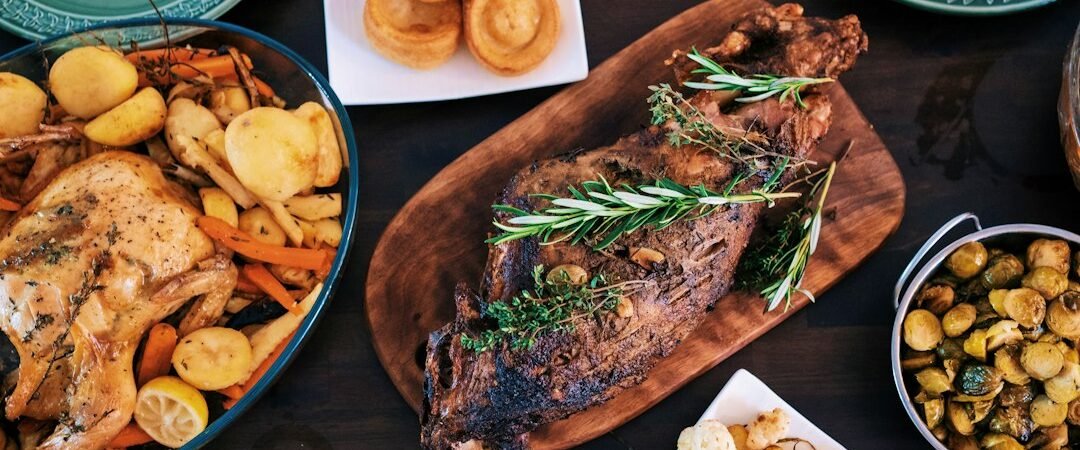
Featured image: Holiday meal preparation, photo by Claudio Schwarz via Unsplash.