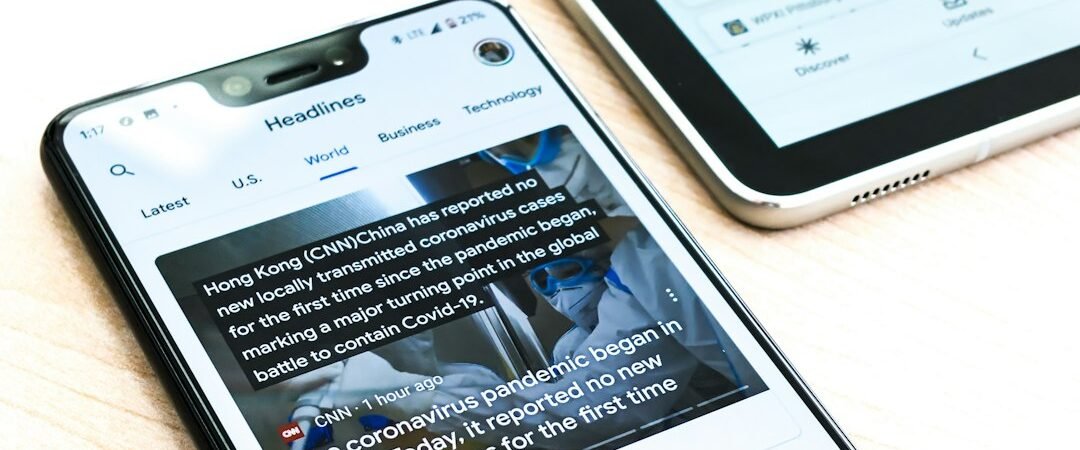
Breaking news often arrives as a screenshot, short clip, forwarded message, or dramatic post without much context. Sharing too quickly can spread an old image as new, mistake a rumor for a confirmed event, or amplify a fabricated claim. A quick verification routine helps you pause without needing specialized tools.
Check five things before reposting
- Source: identify who published the claim first. Is it an accountable organization, a named eyewitness, an anonymous account, or a repost with no attribution?
- Date and location: look for the original publication date and where the event supposedly happened. Old material is often recirculated during a new event.
- Original context: search for the full video, complete statement, official document, or original image rather than relying on a cropped screenshot.
- Independent confirmation: check whether credible sources with separate reporting support the central claim. Multiple posts repeating the same unverified source do not equal independent confirmation.
- Evidence: distinguish what is directly shown from what the caption claims. A photo may be genuine while the explanation attached to it is false.
Search smarter
Copy a distinctive sentence from the post into a search engine. Search an image using a reverse-image tool if available, and compare the earliest results. For a video, look for a longer version and check whether the audio or captions have been edited. These checks can reveal context, but no single search result proves the full story.
Be careful with screenshots and AI-generated content
Screenshots can be altered, and AI-generated images or audio may look plausible. Look for the original source and independent confirmation rather than relying on visual imperfections or detector scores alone. For public safety claims, official emergency services and local authorities may provide direct updates.
Know when to wait
If a claim is moving quickly but reliable confirmation is not available, it is reasonable not to share it yet. You can say that a claim remains unverified, but avoid turning uncertainty into a definitive accusation. Take extra care with claims about elections, violence, health, disasters, and named individuals because the consequences of error can be serious.
If you shared something inaccurate
Correct it where you posted it, link to better evidence, and avoid quietly deleting the post if people still need to see the correction. The aim is to reduce confusion, not to win an argument.
Our guide to checking AI-generated information offers more verification steps. The CISA Secure Our World resources also provide general online-safety guidance.
When the stakes are high, slow down. Verify the source, date, context, and evidence before amplifying the claim.