
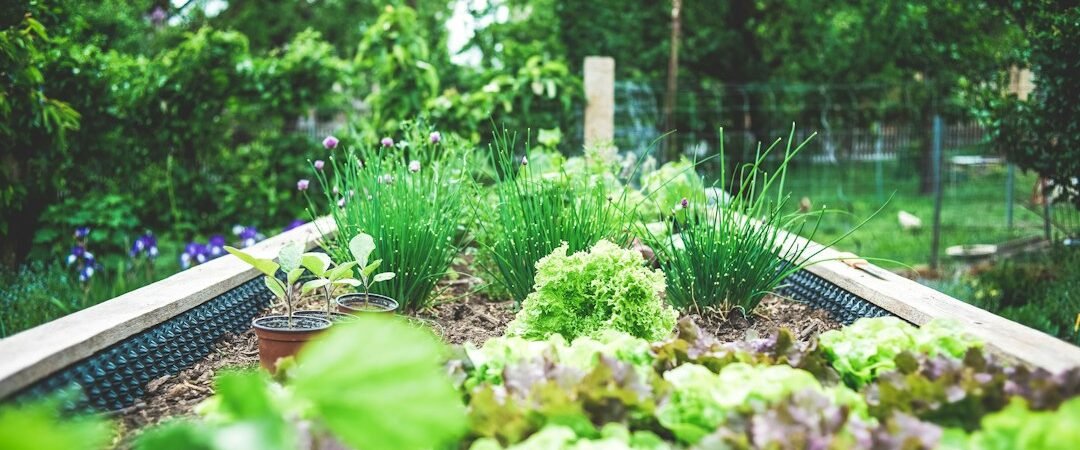
A small-space vegetable garden can produce fresh herbs, salad greens, and seasonal vegetables even if you have only a balcony, patio, sunny doorstep, or compact backyard. The key is to match plants to available sunlight, choose containers with good drainage, and water consistently. Start with a few easy crops and expand once you have a routine. You can also personalize your growing area with this DIY wood-burned garden sign project.
1. Check sunlight before choosing plants
Observe your growing area at different times of day. Fruiting crops such as tomatoes and peppers generally need several hours of direct sun, while many leafy greens and herbs can manage with less. A balcony or courtyard may have very different light levels from one corner to another, so place containers where the plants receive the light they need.
2. Pick containers with drainage
Use pots, grow bags, or raised planters with drainage holes. Larger containers hold moisture longer and give roots more room, which can make them easier to manage in hot weather. Use a quality potting mix designed for containers rather than garden soil alone, and follow the product directions.
3. Start with beginner-friendly vegetables
- Leaf lettuce and other greens: useful for repeated small harvests in cooler conditions.
- Radishes: often quick to mature and helpful for learning succession planting.
- Spring onions: compact and practical for containers.
- Herbs such as parsley and coriander: useful in the kitchen; grow spreading mint in its own pot.
- Cherry tomatoes: productive in a sunny location with a sufficiently large pot and support.
4. Water deeply, but avoid waterlogging
Container plants can dry out faster than garden beds, especially in warm, windy weather. Check the mix with your finger rather than watering by a rigid schedule. Water slowly until excess drains from the bottom, then empty standing water from saucers. If the mix remains wet for long periods, check drainage and avoid overwatering.
5. Feed plants and harvest regularly
Potting mixes contain a limited supply of nutrients. Use a fertilizer suitable for edible container plants and follow its label. Harvest leafy greens and herbs carefully to encourage fresh growth, and pick vegetables when they reach the recommended size for the variety.
6. Prevent common problems early
Inspect the undersides of leaves for pests, remove badly damaged foliage, and give plants enough space for airflow. Avoid spraying homemade mixtures or pesticides on edible crops without checking whether they are safe and labelled for that use. Clean reused containers between growing seasons.
A simple first-week plan
- Day 1: map the sunlight and measure your space.
- Day 2: choose two or three crops suited to the season and local climate.
- Day 3: prepare containers, drainage, and potting mix.
- Day 4: sow seeds or transplant seedlings according to packet instructions.
- Days 5–7: check moisture, inspect leaves, and record sunlight.
Frequently asked questions
How much space do I need for a vegetable garden?
You can begin with just a few containers. Choose compact varieties and prioritize crops you regularly eat instead of trying to grow everything at once.
Can vegetables grow on a balcony?
Often, yes, provided there is enough light, drainage, and safe load capacity for containers filled with wet soil. Secure pots so wind cannot knock them over and follow building rules for balcony gardening.
Growing conditions vary by season and location. Use local planting calendars and seed-packet instructions to choose suitable varieties.