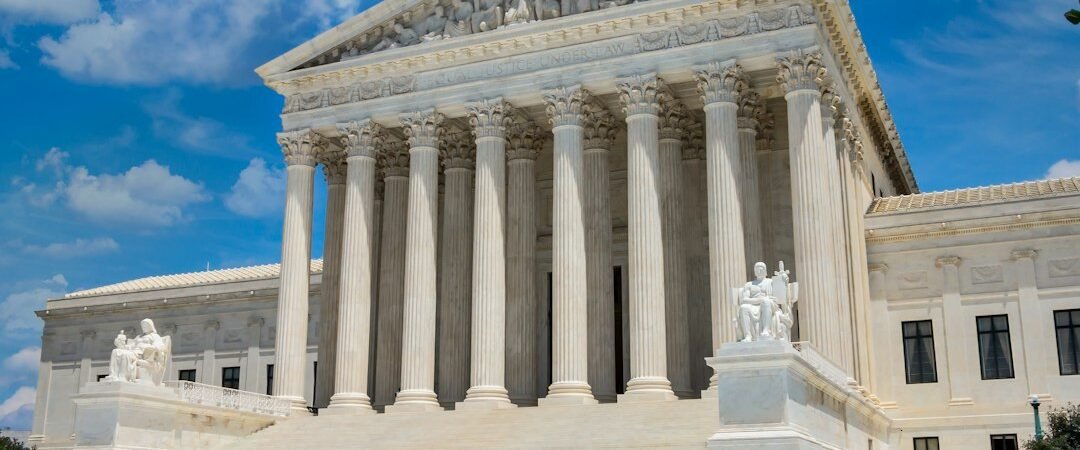
October 31, 2026 — Federal courts have issued consequential rulings in election-related disputes involving the Trump administration just days before the November 3 midterm elections. The cases concern the limits of federal intervention, allegations about voter eligibility and protections for election workers.
Judge restricts threats against election workers
On October 30, U.S. District Judge Trina Thompson issued a temporary restraining order restricting the Justice Department and Department of Homeland Security from threatening or coercing state and local election officials to stop processing registered voters’ ballots solely because federal officials allege the voters are ineligible. The order is scheduled to last through November 16, according to ABC News.
The judge found the plaintiffs had demonstrated grounds for emergency relief. The ruling is temporary and should not be confused with a final judgment on all claims in the litigation.
Appeals court rejects California ballot-segregation request
In a related dispute, a federal appeals court rejected the Justice Department’s emergency request for California to set aside ballots associated with roughly 20,000 people the administration suspects may not be U.S. citizens. The court majority cited the disruption that separating the ballots could cause and concerns about lawful voters. A dissenting judge disagreed with the majority’s approach, according to the Associated Press.
California has disputed the reliability of the underlying voter list. Allegations of ineligibility are not, by themselves, findings that particular votes were unlawful.
What each side argues
The administration says its enforcement efforts seek to prevent unlawful noncitizen voting and uphold election integrity. Voting-rights groups and state officials argue that some demands could interfere with election administration and risk disenfranchising eligible voters. Courts are evaluating the specific legal authorities and evidence presented, rather than deciding a general political dispute.
Why the rulings matter for election administration
States and localities administer most election operations, subject to federal constitutional and statutory requirements. Emergency court orders can determine what agencies and election workers may do while litigation continues. See our previous coverage of California ballot litigation and how election certification works.
What voters should know
Voters should consult official election offices for deadlines and procedures. Legal allegations, temporary court orders, preliminary results and certified outcomes are distinct. Follow documented judicial developments rather than assuming that litigation itself proves misconduct or changes a valid ballot’s status.
Sources: Associated Press, October 31, 2026; ABC News, October 30, 2026; Reuters, October 28, 2026.