A federal judge in California has temporarily barred the U.S. Justice Department and Department of Homeland Security from threatening state and local election officials with prosecution over how they handle alleged noncitizen voters. The order, signed October 30 and reported nationally on October 31, arrives just days before the November 3, 2026, midterm election.
The decision is a significant election-administration development because it addresses what election workers may be told to do with voter registrations and ballots while voting is already underway. It does not decide whether any particular voter is a noncitizen, whether federal officials will ultimately prevail in the lawsuit, or whether the administration may pursue other lawful investigations.
What the court ordered
Facts: U.S. District Judge Trina L. Thompson of the Northern District of California issued a temporary restraining order in Service Employees International Union, AFL-CIO v. United States Department of Justice, a case brought by labor and civil-rights organizations. The federal docket records the complaint on October 29, the temporary-restraining-order motion on October 30, and the signed order granting it later that day. Court docket
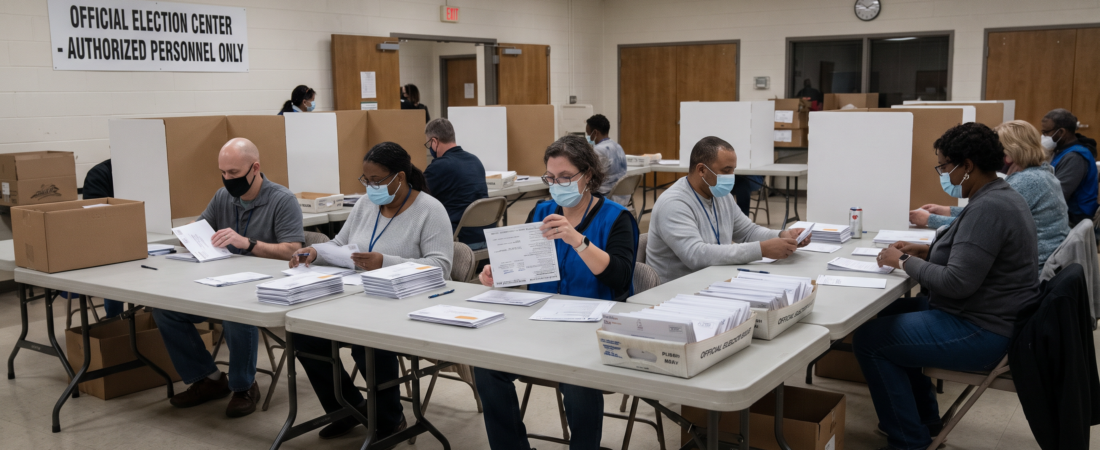
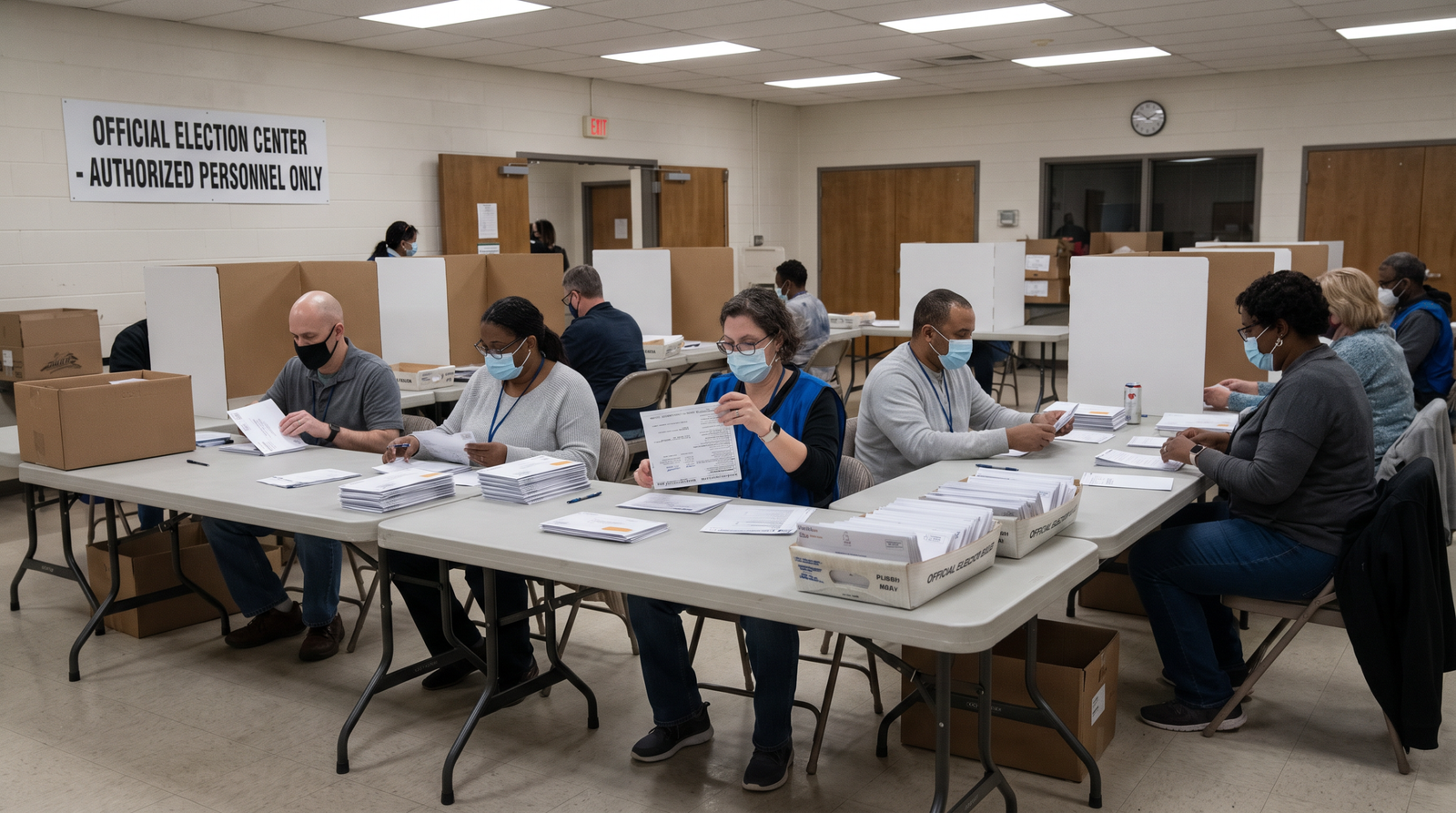
According to Reuters and Politico, the order prevents the administration from demanding that state or local officials remove voters from statewide registration rolls, refuse ballots to selected voters, or segregate ballots cast in the midterms based on an administration list of people alleged to be noncitizens. It also stops federal officials from threatening criminal prosecution against election officials and workers who follow federal law and state election procedures instead of complying with those demands. Reuters Politico
Politico reported that the Justice Department must contact state and local officials who received warnings and tell them that the demands and prosecution threats have been enjoined. The order therefore affects both future communications and the practical pressure created by warnings already sent.
The court’s reasoning emphasized timing and the public interest. Reuters quoted Thompson’s order as saying that the public has a “paramount interest” in ensuring election officials can perform their duties under federal law and election procedures, especially because Election Day was only a few days away. The quotation describes the court’s interim balancing of harms; it is not a final finding that every allegation or government action was unlawful.
Why the dispute reached court
Facts: The plaintiffs say federal agencies used demands, investigations and prosecution warnings to influence how state and local officials administer voter records and ballots. The defendants are Attorney General Todd Blanche, Homeland Security Secretary Markwayne Mullin, the Justice Department and the Department of Homeland Security, according to the docket. Court docket
The administration has described its election-related efforts as enforcement of federal prohibitions on noncitizen voting and as necessary to protect election security and public confidence. Axios reported that the Justice Department defended its actions as necessary to enforce those prohibitions, while also reporting that the department had not immediately commented on the ruling. Axios
Noncitizen voting in federal elections is illegal. The unresolved question in this case is how government agencies may identify suspected ineligible voters and what they may require state and local officials to do with those allegations during an election. Election administration is largely carried out by states and localities, so federal requests can create operational and legal conflicts when they arrive close to voting deadlines.
The ruling also comes amid broader federal disputes over voter records and ballot handling. Reuters reported that the administration had pressed states for registration data and that some election officials were preparing for possible federal interference. Those developments provide context, but they are separate from the specific restrictions in Thompson’s order and should not be treated as one consolidated case.
What happens next
Facts: The order is temporary. The docket schedules a preliminary-injunction hearing for November 13, 2026, and sets briefing deadlines in early November. A preliminary injunction could keep some restrictions in place while the case continues, but the court has not yet issued that later ruling. Court docket
Analysis: The immediate effect is administrative clarity: officials covered by the order are not supposed to remove voters, withhold or segregate ballots, or face prosecution threats merely because they decline demands covered by the order. That may reduce uncertainty for workers who must apply existing registration and ballot rules while the election is in progress.
The longer-term effect is less certain. The order does not resolve the underlying dispute over federal authority, the accuracy of any alleged noncitizen lists, or the government’s ability to investigate suspected violations through methods not barred by the court. It also does not establish that every federal request involving voter records is prohibited.
The timing matters. A temporary order issued immediately before Election Day can protect the status quo, but it leaves little time for agencies and election offices to interpret its boundaries. The court’s November 13 hearing means the legal dispute will continue after the November 3 election, when the practical focus may shift from ballot processing to certification, records and any appeals.
Bottom line
Facts: As of October 31, 2026, the confirmed development is a temporary federal court order limiting DOJ and DHS demands and prosecution threats directed at election officials over alleged noncitizen voters. The order is in effect as an interim measure, while the case and the government’s response remain pending.
Analysis: The ruling is best understood as a dispute over who controls election administration and how suspected voter-ineligibility cases are handled at a sensitive point in the election calendar. It is not a final ruling on the allegations, a finding that noncitizen voting is lawful, or a conclusion that all federal election-enforcement activity must stop.
Sources
- U.S. District Court docket: Service Employees International Union, AFL-CIO v. United States Department of Justice
- Reuters, “Judge orders Trump administration to cease threats to prosecute election officials”
- Politico, “Judge orders DOJ to stop threatening to prosecute election officials”
- Axios, “Judge blocks DOJ from threatening election workers before midterms”