Dek: The latest tariff move is a negotiation order on imported robotics and industrial machinery, not an immediate new duty. Its economic and political stakes still reach from factory costs to household budgets.
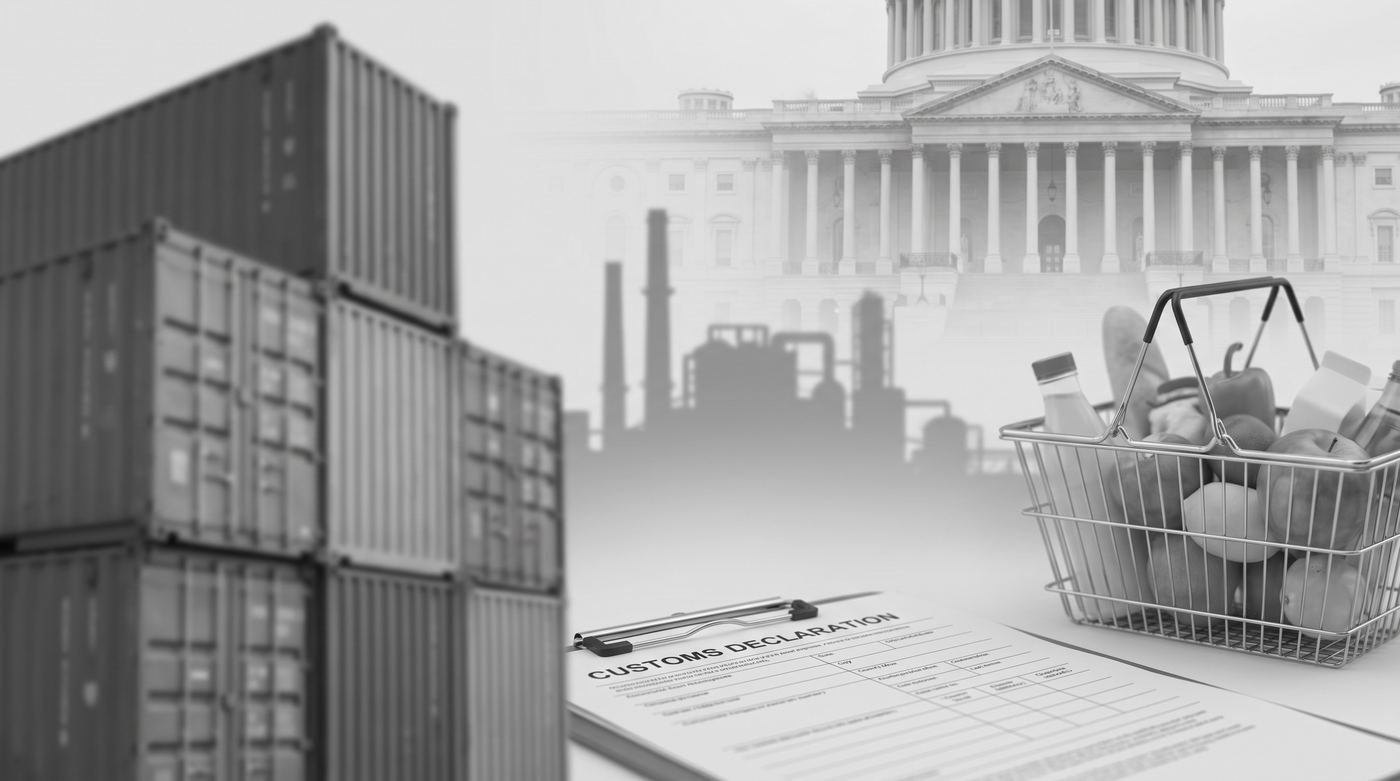
The latest US tariff policy development is a threat of future action rather than an immediate price shock. On October 28, President Donald Trump signed a proclamation finding that imported robotics, industrial machinery and related components could threaten national security. The order directs the Commerce Department and the U.S. Trade Representative to negotiate with trading partners and report back within 180 days. It leaves tariffs, quotas or fees as possible later remedies, but imposes none on these products now. 1
That distinction matters because manufacturers rely on imported machinery. The administration presents the action as a way to build domestic capacity, strengthen supply chains and create jobs. The political question is whether voters will reward that promise before they see lower prices.
What the October 28 action actually does
Fact: The proclamation uses Section 232 of the Trade Expansion Act of 1962, the national-security authority used for several earlier tariff investigations. It says the United States produces less robotics and industrial equipment than it consumes and lacks enough domestic capacity to meet rising demand. The White House cites the sector’s role in defense, critical infrastructure and manufacturing. 1
The first step is negotiation. Commerce Secretary Howard Lutnick and U.S. Trade Representative Jamieson Greer must pursue agreements with foreign governments. The president may later impose tariffs, duties, quotas or fees if talks fail. The administration must provide an update within 180 days, making late April 2027 a key checkpoint. 1
Reuters reported that the decision followed a more-than-year-long investigation and spared manufacturers from immediate new duties. Covered products include machine tools, industrial ovens, cutting equipment and other machinery used across factories. 3 For now, the policy creates uncertainty about future sourcing rather than a new border tax on October 29.
Why prices and supply chains remain at risk
Tariffs are collected from U.S. importers, not directly from foreign governments. Importers can absorb the cost, press suppliers for lower prices, switch sources or pass some of the increase to customers. The effect varies by product and market power, but machinery is an important input: a higher equipment bill can affect the cost of producing vehicles, electronics, food-processing equipment and other goods.
The wider inflation backdrop makes the issue politically sensitive. The Bureau of Labor Statistics reported that consumer prices rose 0.6% in September and 3.7% over the prior 12 months, up from 3.4% in August. Gasoline was 34.2% higher than a year earlier, food-at-home prices rose 1.8%, and core prices rose 2.6%. 4
Analysis: The September data do not prove that tariffs caused the full acceleration. Energy was the largest immediate driver, and prices reflect many forces, including wars, housing costs and wages. But new duties on machinery or components could add pressure later by raising production costs. Delaying tariffs reduces an immediate inflation risk without removing the longer-term one.
The same tension is visible in the U.S.-Canada dispute. A White House fact sheet says an October 24 modification removes some Canadian machinery and other products from Section 338 tariffs while adding valves, carpets and waste products; the changes take effect October 30. 5 Reuters reported limited progress in talks and current measures of up to 50% on Canadian steel and 25% on autos. 6 Frequent changes make supply-chain planning harder.
Jobs: reshoring promise versus near-term costs
The administration says tariffs can encourage companies to move production to the United States. The White House points to announced investments by General Motors, UCB and Japan’s GlobalFoundries partnership as evidence. 5 Announced investment is not the same as completed production or net job creation.
The latest labor data show a mixed picture. Nonfarm payrolls increased by 29,000 in September and unemployment held at 4.2%. Manufacturing employment rose by 9,000 that month and was up 72,000 from its December 2025 low. Average private-sector hourly earnings increased 3.0% over the year. 7 The figures show some manufacturing improvement, but they do not establish that tariffs caused it or that gains will offset higher costs elsewhere.
Fact versus analysis: A tariff can protect a domestic producer from import competition, but it can also raise the cost of inputs for downstream firms. The outcome depends on domestic capacity, retaliation and whether companies automate or relocate. A factory that opens years from now does not immediately lower a household’s grocery, car or rent bill.
The voter and party messaging problem
Trump has framed tariffs as a way to defend American workers, counter unfair trade and rebuild industrial strength. Republicans can point to manufacturing investment and argue that adjustment costs are the price of greater economic independence. The robotics action links trade policy to national security and advanced manufacturing.
But the cost-of-living message is harder to sustain while prices remain elevated. Reuters reported that Trump has often emphasized manufacturing investments and future energy savings while offering little detail on how he will bring prices down. The report said he dismissed tariff-inflation concerns even as September CPI reached 3.7%. 8
Polling shows why Democrats are focusing on affordability. An AP-NORC survey conducted October 8–12 found that about eight in 10 registered voters considered the economy or cost of living a top issue, while about eight in 10 disapproved of Trump’s handling of the cost of living. Only 44% of Republicans approved of his performance on cost of living. 9
Analysis: Voters may support protecting domestic jobs while opposing higher prices. Democrats are likely to argue that consumers pay for the policy before promised factories arrive. Republicans will argue that dependence on foreign machinery and components is itself a vulnerability. The November 3 midterms will test which frame is more persuasive.
What to watch next
First, watch negotiations over robotics and industrial machinery. The 180-day report could lead to quotas, exemptions, tariffs or no action. Product-level details matter because manufacturers depend on specific components.
Second, watch the October 30 changes to Canadian products and the broader U.S.-Canada talks. A deal could lower uncertainty for steel, autos and border industries. Failure could preserve or expand duties and invite retaliation against U.S. exporters.
Third, watch the next inflation and employment releases. The October CPI report is scheduled for November 10, after the midterms, while the October employment report is scheduled for November 6. 4 Those releases will test claims about prices, hiring and wages.
The central test is practical: whether trade policy improves paychecks and affordability, not only whether it announces a stronger industrial base.