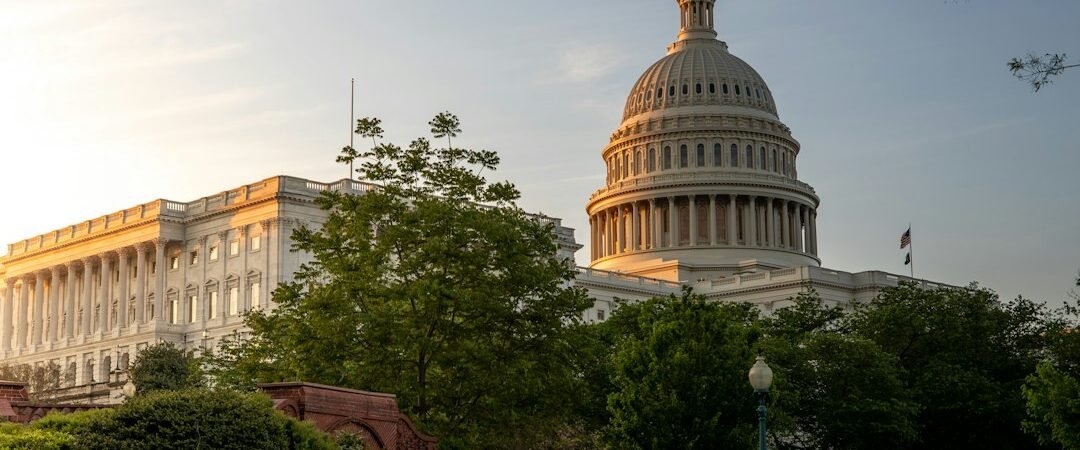
When Congress and the president do not enact funding for covered federal operations by the applicable deadline, parts of the federal government can face a lapse in appropriations. A shutdown is not simply a political announcement: it is the result of a funding gap under federal budget law, with effects that differ across agencies and programs.
The basic funding process
Congress considers appropriations legislation to fund federal departments and many activities. If the regular bills are not enacted in time, lawmakers may use a continuing resolution (CR), which temporarily extends funding under specified terms. A CR has its own duration and conditions; it is not a permanent budget.
The Congressional Research Service explains the legal and procedural background in its reports on federal funding gaps and shutdowns: Congressional Research Service reports. The Congressional Budget Office also publishes information about federal budget processes and fiscal estimates: CBO.
What happens during a lapse?
Agencies must determine which activities have funding available and which employees or functions are legally excepted from a shutdown. Some services can continue because they have separate or advance funding, while other operations may pause or slow. The impact depends on the agency, statutory authority and the length of the funding gap.
It is inaccurate to assume that every federal worker stops working or that every government service closes in the same way. Agencies typically publish operational guidance, and individual programs can have different rules.
What to monitor in official updates
- Whether Congress has enacted appropriations or a continuing resolution.
- The duration and scope of any temporary funding measure.
- Agency contingency plans and public-service notices.
- Official guidance for benefits, permits, travel, tax administration and federal contractors.
Why the details matter
Political statements may describe negotiations in broad terms, but the text of enacted legislation determines what is funded and for how long. Readers should distinguish a proposed agreement from a bill that has passed both chambers and been signed into law.
Primary sources
Congress.gov — bills and legislative actions · Office of Personnel Management — furlough guidance