
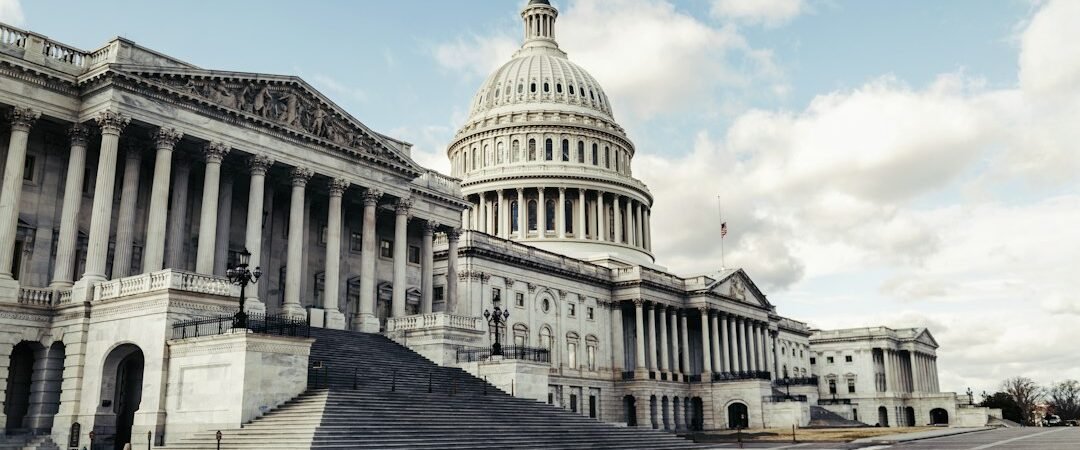
When Congress and the president do not enact funding for some federal agencies, people ask what will stop, what will continue and whether essential benefits are at risk. The answer depends on the agency, the law governing the service and any funding already available.
What is a government shutdown?
A federal shutdown can occur when annual appropriations or a temporary funding measure expires without replacement. Under the Antideficiency Act, agencies generally cannot spend money that Congress has not appropriated, subject to legal exceptions. A shutdown is not the same as the United States defaulting on its debt.
What may continue?
Activities legally excepted may continue, often with employees working before receiving their pay. Programs with funding streams that do not depend on lapsed annual appropriations may also continue, although administrative services can still be affected. Social Security payments are generally financed through mandatory spending, but some customer-service operations can face disruptions depending on agency contingency plans.
What may be delayed?
Some federal offices may close to the public, permits can take longer, national parks may have reduced services, and contracts or grants may be delayed. Effects vary by agency and by the length of the lapse. It is inaccurate to assume every federal service stops—or that every service continues normally.
What happens to federal employees?
Some employees are furloughed; others must work because their duties are excepted. Federal employees are generally entitled to retroactive pay after a shutdown ends under federal law, but contractors may have different protections. Workers should follow official agency and employer guidance.
How to check what is affected
- Read the affected agency’s official shutdown or contingency plan.
- Check notices before traveling to a federal facility or park.
- Keep copies of application receipts, appointment notices and payment records.
- Be wary of social posts claiming a benefit has been cancelled without an official source.
Primary sources include Congress.gov and the Office of Personnel Management furlough guidance.
The bottom line
A shutdown is a funding and operations problem whose consequences depend on the legal status of each activity. Check official agency guidance for the specific service you need, and distinguish a temporary funding lapse from claims about benefits or the entire federal government.
Related reading: What to watch in federal economic policy and the midterm voter checklist.