If you have a health flexible spending arrangement (FSA) through work, reviewing the account before the end of the plan year can help you avoid missed claims. But do not assume every FSA follows the calendar year or that all unused money must be spent by December 31. Plan rules, employer choices, and the type of account matter.
First, confirm your plan year and deadline
Check your benefits portal or plan documents for the plan-year end date, last day to incur eligible expenses, deadline to submit claims, and any carryover or grace-period provision. A grace period extends the time to incur certain expenses; a run-out period usually gives you extra time to submit claims for expenses already incurred. These are not the same thing.
Some plans may allow a limited carryover instead of a grace period, subject to IRS rules and the employer’s plan design. Your administrator’s written terms determine what applies to you. Do not spend money based on a generic online deadline.
Which expenses may qualify?
Health FSAs generally reimburse eligible medical, dental, and vision expenses under applicable tax rules and the plan document. Examples can include certain prescription costs, copayments, eligible dental treatment, and vision care. Eligibility can depend on the specific item, medical purpose, and documentation.
Before purchasing an item, use your plan administrator’s eligibility list and current IRS guidance. An item being described as “health” or “wellness” does not automatically make it eligible. Keep receipts and any documentation the plan requires.
Do not confuse an FSA with an HSA
A health savings account (HSA) has different eligibility requirements and tax rules, including rules connected to qualifying high-deductible health plans. HSA funds generally roll over, while health FSA funds may be subject to use-it-or-lose-it rules with limited exceptions. Check the account type shown in your benefits portal before acting.
How to review your balance without wasteful spending
- Check your current balance and the dates for incurring and submitting expenses.
- Look for upcoming eligible appointments, prescriptions, dental care, or vision needs you already planned.
- Confirm whether the expense is eligible and whether your plan requires a prescription or other documentation.
- Save itemized receipts and explanations of benefits.
- Submit outstanding claims before the claim-filing deadline.
- Keep confirmation that the claim was received and processed.
Common mistakes
- Assuming the account deadline is December 31 without checking the plan year.
- Buying unneeded items solely to use a balance.
- Confusing the deadline to incur an expense with the deadline to submit a claim.
- Throwing away receipts after using a benefits card.
- Assuming an FSA and HSA have the same rules.
If you are organizing other year-end financial records, our 2026 year-end tax preparation checklist can help you plan ahead.
For official tax information, read the IRS Publication 969 on HSAs and other tax-favored health plans. For a decision about a particular expense or deadline, contact your plan administrator and review your plan’s current documents.
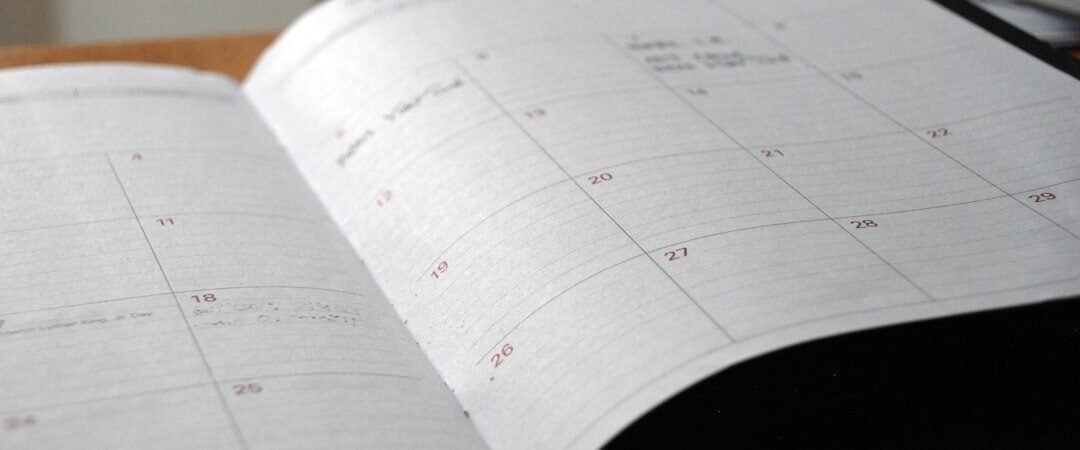
Featured image: Calendar and planning desk, photo by Eric Rothermel via Unsplash.