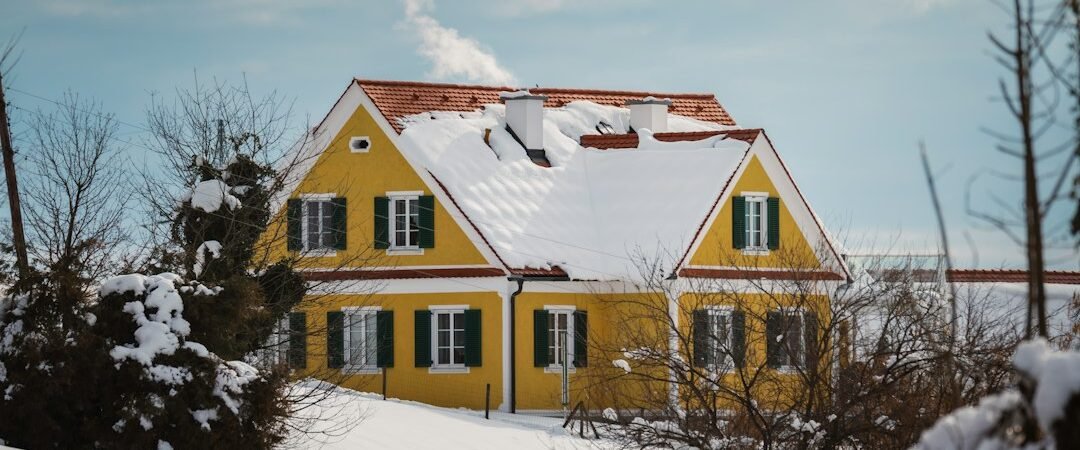
When temperatures drop, water in exposed plumbing can freeze and expand, potentially splitting a pipe and causing major water damage after it thaws. Risk is higher in unheated spaces, exterior walls, crawl spaces, garages, and cabinets with little airflow. The right preparation depends on your home’s construction and local climate.
Find vulnerable plumbing
Check pipes in basements, crawl spaces, garages, attics, and cabinets along exterior walls. Look for gaps where cold air enters around pipes and for areas where insulation is missing or damaged. If you are unsure which materials or insulation methods are suitable, ask a licensed plumber or qualified home-energy professional.
Insulate and seal drafts
- Use appropriate pipe insulation on exposed plumbing.
- Seal drafts around foundation openings, exterior-wall penetrations, and utility entries without blocking required ventilation.
- Disconnect and drain outdoor hoses where the plumbing system allows it, and protect exterior faucets using suitable covers.
- Keep garage doors closed if water lines run through the garage.
Maintain indoor heat and airflow
During a cold snap, keep the home at a safe, consistent temperature even if you are away, taking local conditions and your heating system into account. Open cabinet doors beneath sinks on exterior walls when it is safe to do so, allowing warmer room air to circulate. Some homes may benefit from letting a small stream of water run during extreme cold, but ask a plumber or local water utility whether this is appropriate for your system and water-use situation.
If a pipe freezes
If you can identify the frozen section safely, keep the faucet open and use gentle warming methods recommended by a plumber. Never use a blowtorch, open flame, or other high-heat device. If a pipe has burst or water is leaking, shut off the main water supply if you can do so safely and contact a plumber. Avoid touching electrical equipment in standing water.
Prepare before a storm
Know where the main shutoff valve is, keep the plumber’s number available, and understand how your home’s heating system works. Check your home insurance policy for relevant water-damage terms rather than assuming every pipe-related loss is covered.
Sources: Ready.gov winter weather guidance and U.S. Department of Energy weatherization advice. Photo: Tracy Adams/Unsplash.