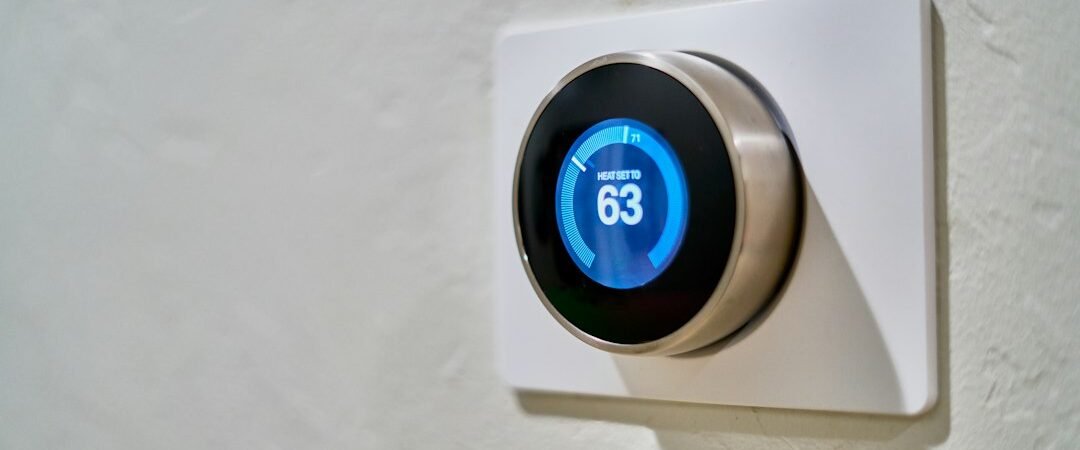
A smart thermostat can make it easier to match heating and cooling to your routine, but buying one does not automatically lower energy bills. Results depend on the home’s insulation, local climate, equipment, schedule, and settings. Start by reducing unnecessary heating or cooling while keeping the home safe and comfortable.
Set a schedule that matches real life
Use a comfortable setting when people are home and awake, then consider a modest setback when the home is empty or everyone is asleep. Avoid a schedule that fights your routine; repeated manual overrides can make automation less useful. If your household has different work or school times, use separate schedules or occupancy features only if they work reliably for everyone.
Use features with a purpose
- Schedule: set predictable temperature changes around daily routines.
- Vacation or away mode: avoid maintaining the same comfort setting in an empty home for days.
- Filter reminders: use reminders that match your system’s manufacturer guidance, then inspect the filter rather than relying on a notification alone.
- Energy reports: compare usage over similar weather periods instead of assuming every change caused a saving.
Do not ignore the house itself
Drafts, blocked vents, dirty filters, poorly sealed doors, and inadequate insulation can make any thermostat work harder. Keep supply and return vents unobstructed and follow the equipment manufacturer’s maintenance guidance. For major heating or cooling problems, consult a qualified technician rather than changing advanced system settings at random.
Protect the connected device
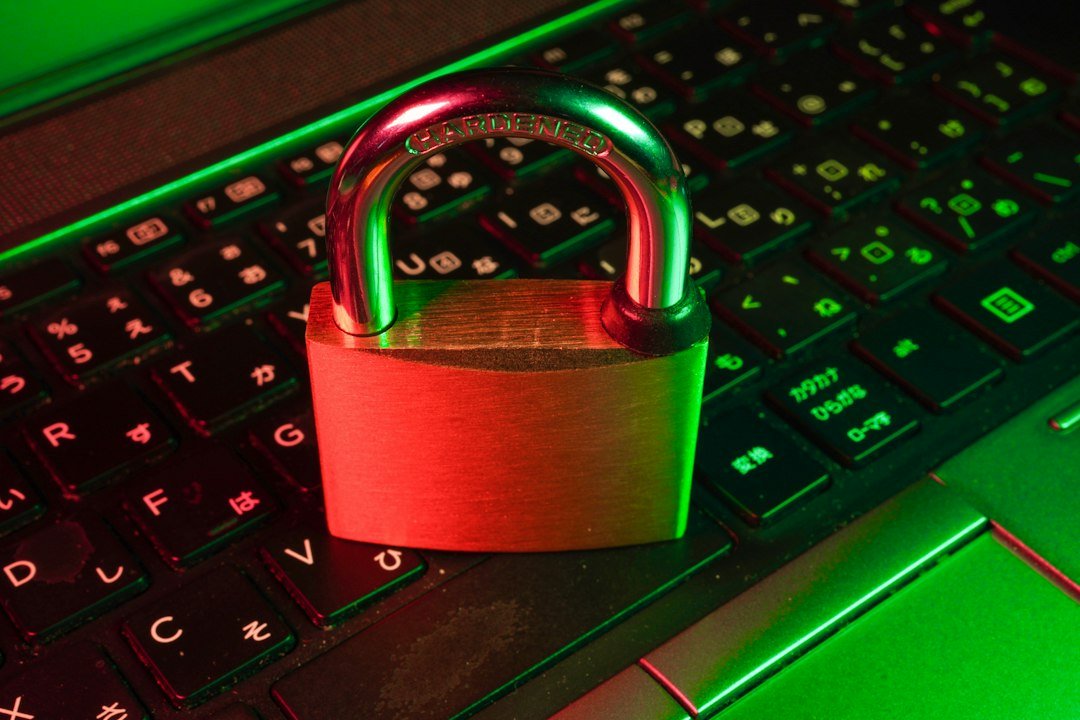
A thermostat connected to Wi-Fi is part of your home network. Change default passwords, install firmware updates, use a unique account password, and enable multifactor authentication if offered. Review which household members or apps have access and remove access that is no longer needed. If your router supports a separate network for smart-home devices, consider using it according to the router’s instructions.
Measure before buying upgrades
Check your utility bills and note weather conditions, occupancy, and major changes before comparing periods. A colder winter or hotter summer can overwhelm the effect of a small settings change. Ask your utility or local energy office about audits, rebates, and eligible improvements before purchasing equipment.
The U.S. Department of Energy’s programmable thermostat guidance offers background on scheduling and temperature setbacks. For connected-device safety, see our smart home security checklist.
The practical goal is simple: automate a schedule that fits your household, maintain the equipment, and use actual bills—not marketing promises—to judge whether changes are helping.