
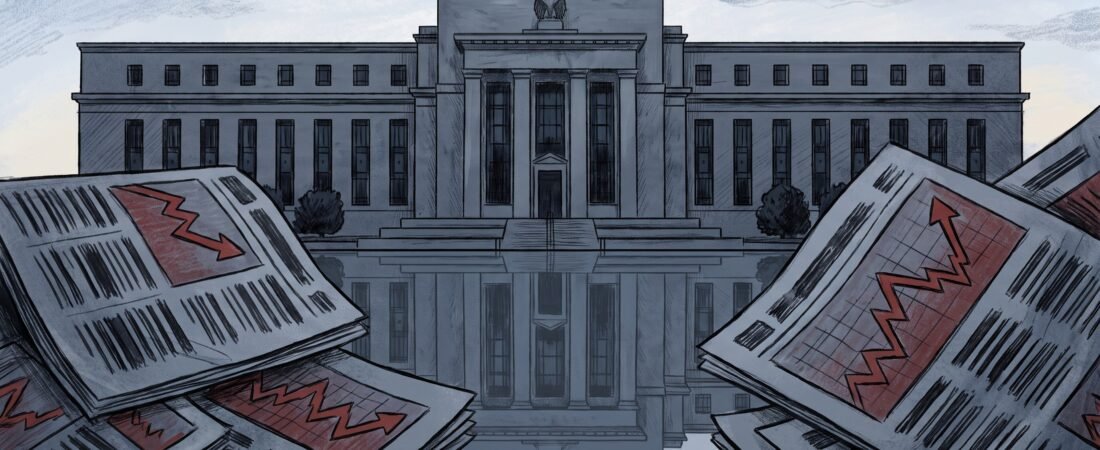
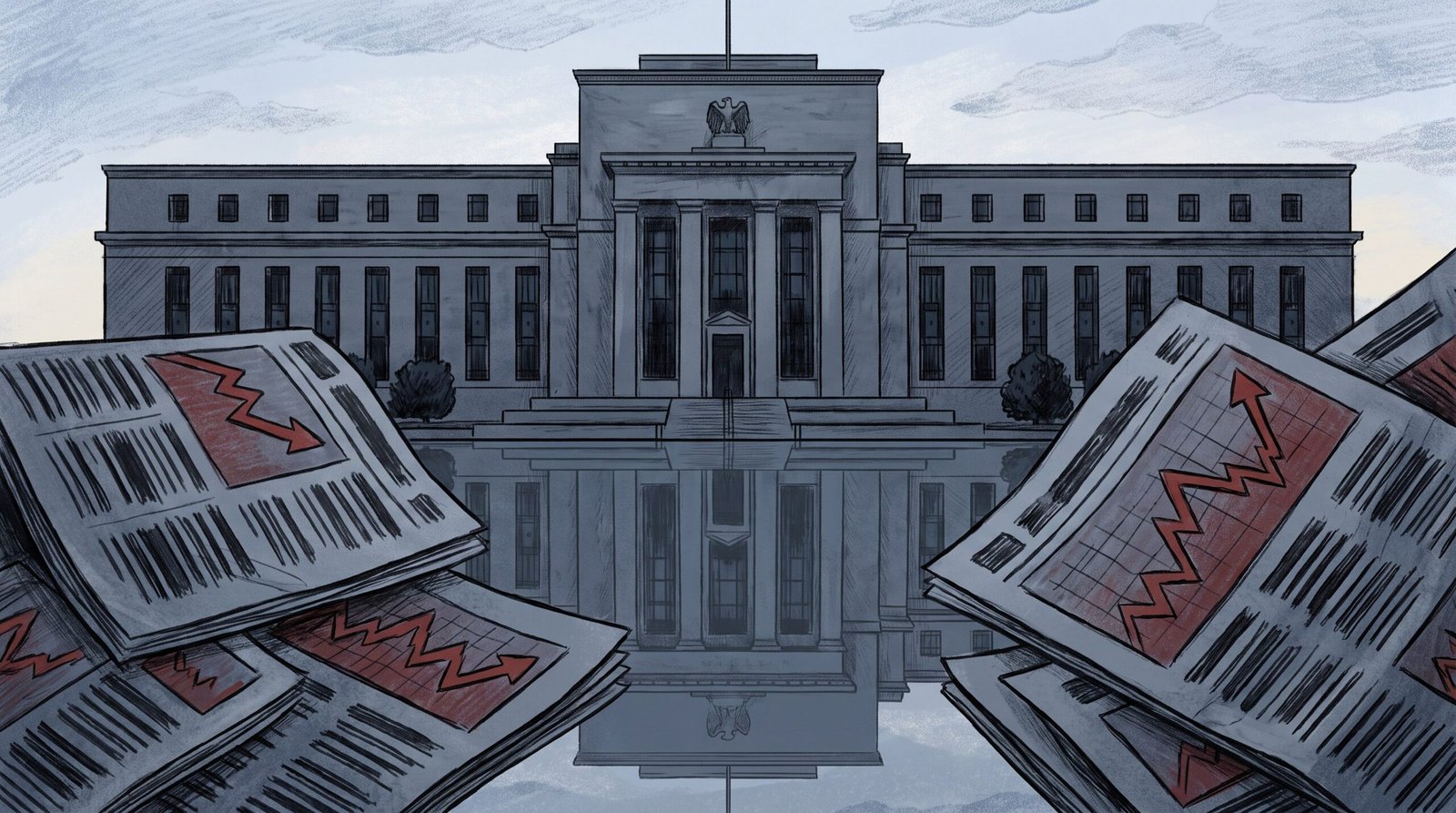
As of November 25, 2026. Federal Reserve Governor Lisa Cook is publicly arguing that interest rates may need to rise again because inflation remains well above the central bank’s 2% target. Her position adds pressure to the Federal Open Market Committee ahead of its December meeting, even as the economy continues to grow and the labor market remains relatively solid.
Cook’s comments are a policy argument, not an announcement of the Fed’s next decision. The central bank’s rate-setting committee will weigh incoming data and financial conditions before its December 8–9 meeting.
Facts: Inflation remains above the Fed’s target
In a speech published by the Federal Reserve, Cook said October personal consumption expenditures inflation was estimated at 3.8% over 12 months. Core PCE inflation, which excludes food and energy, was estimated at 3.2%.
Those readings are substantially above the Fed’s 2% objective. Cook said inflation had been above target for 67 months and argued that the persistence of price pressure increases the risk that households and businesses will adjust their expectations upward.
The data cited in her speech also show an economy that is not in an immediate contraction. Cook said the unemployment rate was 4.1% in October, payrolls increased by 165,000, and job openings in September were about 7.5 million. She said third-quarter GDP grew at a 3.4% annual rate.
These figures describe a mixed policy environment: inflation is too high for the Fed’s stated goal, but economic growth and employment have not collapsed. That combination gives policymakers room to focus on prices, while also raising the risk that higher rates could eventually slow demand.
Facts: Cook dissented in favor of a higher rate
The Fed raised its target range for the federal funds rate to 3.75%–4% at its September meeting, according to Cook’s speech. At the October meeting, the committee held that range steady. Cook said she dissented because she preferred a quarter-point increase.
Her stated concern is that current financial conditions are too accommodative to bring inflation down quickly. She pointed to continued investment in artificial-intelligence infrastructure and supportive equity prices as signs that financial conditions may not be restraining demand enough.
Cook also argued that delaying action could make the eventual adjustment more disruptive. In the speech, she said waiting could require larger increases later, creating additional stress for the financial system and households.
Reuters reported that Cook viewed the September quarter-point increase as insufficient and that financial markets broadly expected a December rate increase. Market expectations are not the same as a Federal Reserve commitment, and the Reuters report did not describe a final December decision.
Analysis: The debate is about persistence, not one data point
Cook’s position focuses on the duration and breadth of inflation. A single monthly report can move markets, but her argument is that the problem has lasted long enough to affect behavior. If businesses continue raising prices and workers continue seeking compensation for past price increases, inflation can become harder to return to 2% without a longer period of restrictive policy.
Her speech also links the policy debate to trade-policy changes, geopolitical developments and large technology investment. Cook did not say one factor alone explains current inflation. Instead, she described several shocks that have complicated the earlier progress toward price stability.
The opposing concern is that monetary policy works with a lag. Higher rates raise borrowing costs for mortgages, business investment and consumer credit. If hiring is already slowing beneath a relatively low unemployment rate, additional tightening could weaken job creation before inflation fully returns to target.
That trade-off is why Cook’s comments matter without settling the outcome. They show that at least one governor believes the cost of waiting is now greater than the cost of another increase. Other officials may put more weight on the lagged effects of earlier increases or on risks to employment and financial stability.
What the December meeting could mean for households
If the Fed raises rates, the immediate effects would likely appear first in financial markets and variable-rate borrowing costs. Mortgage rates, credit-card rates and some business financing costs can respond to expectations even before an official move. A higher policy rate can also strengthen the dollar, although the size and direction of market effects depend on global conditions.
If the Fed holds rates steady, that would not necessarily mean officials are satisfied with inflation. It could instead reflect a judgment that existing restraint needs more time to work or that the economic risks of another increase have become more balanced.
The key distinction is between what Cook is recommending and what the committee decides. Until the FOMC issues a statement, claims that a December hike is certain would go beyond the verified evidence.
What to watch next
The most important indicators are updated inflation readings, employment data, consumer demand and financial conditions before the December 8–9 meeting. Policymakers will also watch whether inflation is broadening across services and goods or beginning to ease.
For households and businesses, the practical message is that borrowing costs may remain elevated for longer than previously hoped. The Fed’s challenge is to reduce persistent inflation without turning a still-growing economy into a sharper downturn.