
The Associated Press called Kansas’ governor’s race for Democrat Cindy Holscher on Nov. 12, and Republican Ty Masterson conceded. The result is politically significant: Holscher will succeed two-term Democratic Gov. Laura Kelly in a state where Republicans outnumber Democrats in voter registration. But the administrative process is not finished. Kansas counties still must complete the post-election review, resolve provisional ballots and certify their results before the state can make the result official.
As of November 13, 2026, the race is projected for Holscher, not yet formally certified statewide. The distinction matters because a news organization’s call and a candidate’s concession do not replace the legal canvass and certification steps.
Facts: Why Kansas ordered a close-race audit
Unofficial Kansas Secretary of State results showed Holscher ahead of Masterson by 7,644 votes, according to the Kansas Reflector’s Nov. 12 report. The Kansas City Star reported that nearly 1.1 million ballots were cast statewide, putting the margin below 1% of the vote.
That margin activated a special review required by Kansas law. In a Nov. 4 announcement, Secretary of State Scott Schwab said close-race audits are triggered when unofficial election-night results show a federal, statewide or state legislative race decided by 1% or less of the total vote.
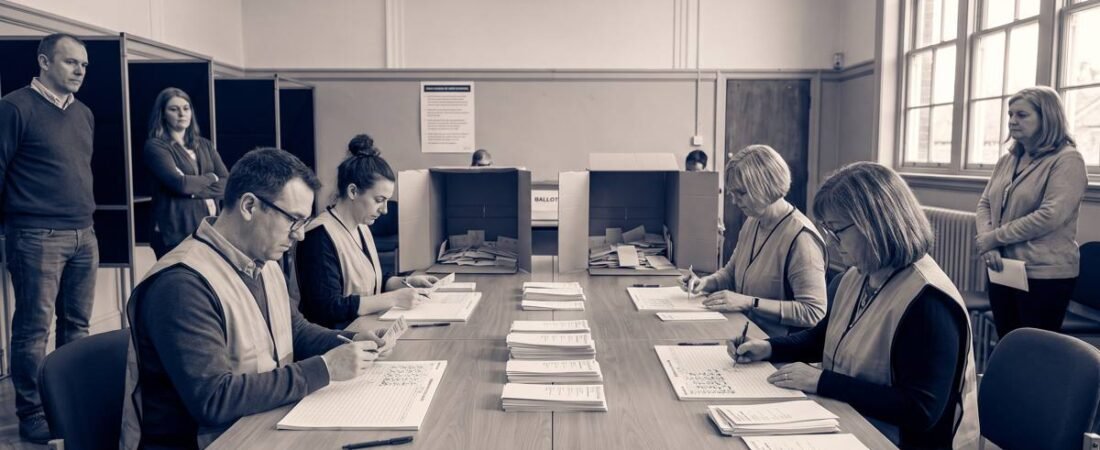
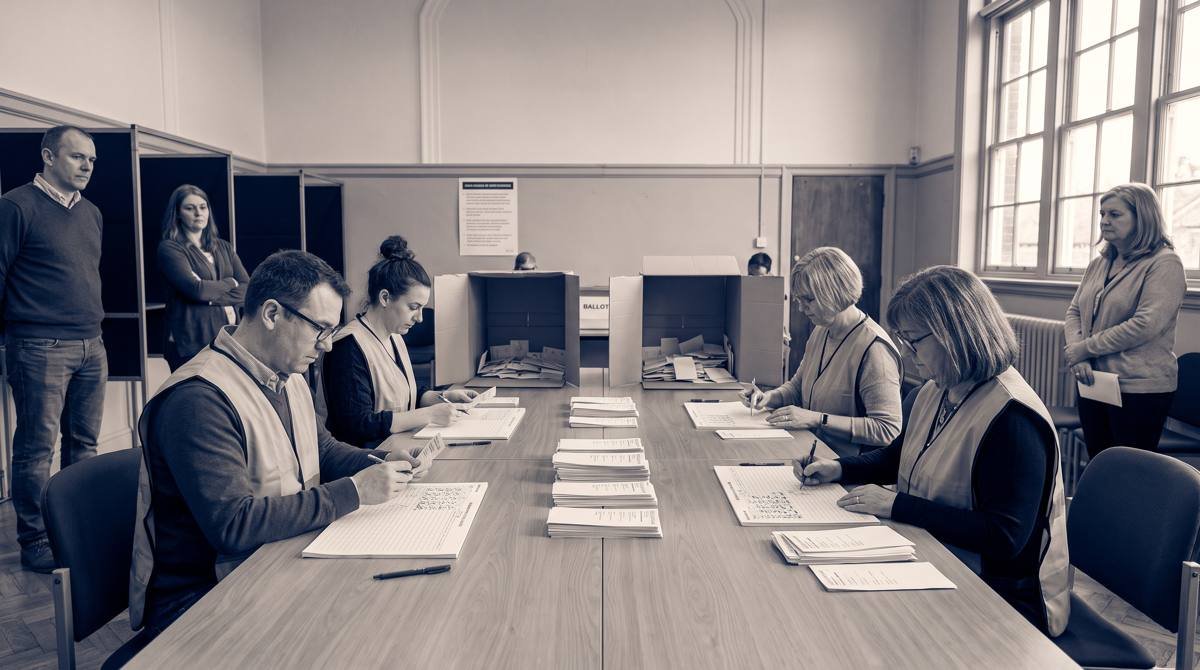
The audit covers six races: governor, secretary of state, attorney general and Kansas House districts 27, 40 and 117. County election officials must hand-count ballots in 10% of precincts for the selected race in each county and compare those counts with the totals produced by voting tabulators. The review is in addition to Kansas’ routine post-election audit, which selects a smaller set of races and precincts.
The process is designed to test whether the tabulated totals match the paper ballots sampled under bipartisan oversight. It is not the same as a candidate-requested recount. A recount is generally a separate legal procedure that can involve a different scope and deadline. In Kansas’ case, the close-race audit was automatically triggered by the unofficial margin.
Facts: What happened after the AP call
The AP call came after enough county results had been reviewed to make a Holscher victory highly unlikely to change. KMBC reported that Masterson conceded on Thursday and that county canvassing was still needed to finalize the result.
The concession resolves the candidates’ immediate dispute, but it does not end election administration. During canvassing, county officials review election materials, determine which provisional ballots meet legal requirements and incorporate valid ballots into the official totals. Provisional ballots are issued when a voter’s eligibility or registration information requires additional review at the polling place.
The Kansas City Star reported that Wyandotte County’s canvass was adjourned so officials could review a high number of provisional ballots. Johnson County officials also expected to decide which of roughly 5,000 provisional ballots would be counted. Those figures are county-specific and should not be treated as a statewide estimate.
Kansas’ official post-election audit guidance says audits must be completed before the county canvass and that county canvasses must take place by Nov. 16. The same page describes a bipartisan sworn election board hand-counting randomly selected precincts and says ballot images cannot be used in place of the ballots during the audit.
The statewide certification date reported by the Kansas Reflector is Dec. 1. Until that step occurs, the 7,644-vote figure remains an unofficial total that can change as valid provisional ballots and other legally received ballots are included.
Analysis: What the audit can—and cannot—show
A close-race audit is an accuracy check, not a finding that wrongdoing occurred. Kansas required the review because the margin was narrow under state law, not because officials announced evidence of fraud or a tabulation failure. A matching hand count would support confidence that the machines recorded the sampled ballots correctly. A discrepancy would require officials to examine its cause and determine whether further action is necessary under Kansas procedures.
The audit also does not guarantee that every ballot is recounted. It samples 10% of precincts for the affected races in each county. The separate canvass addresses the legal status of provisional ballots and other election materials. Those functions answer different questions: the audit tests whether sampled paper ballots match the tabulator totals, while the canvass determines which ballots should be included in the official count.
That distinction helps explain why the AP call and concession can coexist with unfinished official work. News organizations assess whether the remaining vote could plausibly change the outcome. Election officials must follow the statutory process even when the likely winner is clear. Certification creates the official record that supports issuing certificates of election and closing the count.
The Kansas race also illustrates why early election-night totals are not necessarily final. Counties report results at different speeds, and provisional ballots cannot be counted until officials verify eligibility. In a close contest, a lead can expand or contract during that review without implying that earlier reporting was improper. The relevant question is whether each ballot was handled under the same rules and whether the final totals are documented through the canvass and certification.
What to watch next
The immediate checkpoints are the completion of close-race and routine audits, county canvasses by Nov. 16, and the state’s certification on Dec. 1. Observers should distinguish among three statuses: unofficial results, an AP or other media projection, and certified results. As of November 13, Kansas has reached the second stage for governor but not the third.
The Kansas Secretary of State’s elections page identifies election results and audit information as state election resources. County election offices remain the primary source for local canvass schedules and provisional-ballot decisions. Those records, rather than campaign statements alone, will determine when the governor’s race becomes official.
Sources
- Kansas Secretary of State: Close-Race Audit Announcement, Nov. 4, 2026
- Kansas Secretary of State: Post-Election Audit
- Kansas Reflector: Democrat Cindy Holscher wins Kansas governor’s race
- KMBC: Kansas governor’s race called for Cindy Holscher, audit to continue
- The Kansas City Star: Kansas governor’s race was just called for Cindy Holscher. The audit will continue

