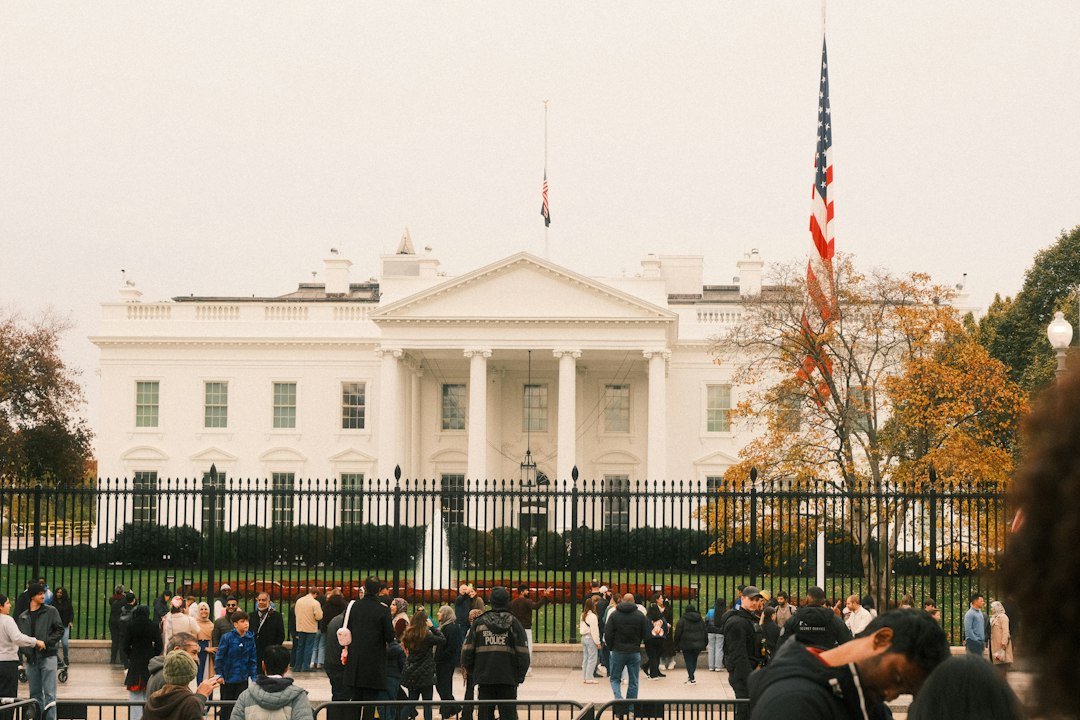
Staff at the United States government’s AI evaluation center have reportedly been asked to report informally to a White House office, according to an Associated Press investigation published on November 8, 2026. The reported arrangement raises questions about the independence and transparency of federal testing of powerful AI systems. But it is important to distinguish the reporting from a formally announced restructuring: no public executive order or Commerce Department directive establishing a new reporting line has been identified.
What the Associated Press reported
Two former government officials familiar with ongoing discussions told AP that officials at the Center for Advancing Innovation and Standards for Super Intelligence (CAISSI), part of the Commerce Department, were recently asked to report informally to a White House office. They spoke anonymously. The report says CAISSI lacks a permanent director and describes concerns that closer political oversight could influence what safety findings are released. The White House did not answer AP’s specific questions about the center. These assertions are attributed reporting, not a publicly documented administrative change.
Read the original Associated Press investigation.
What does CAISSI do?
According to NIST’s official CAISSI overview, the center works with industry on voluntary testing and standards for advanced AI systems. Its remit includes assessing capabilities relevant to cybersecurity, biosecurity, chemical weapons and national-security risks, and collaborating with other federal agencies. Its official careers page describes the center as a research unit reporting directly to the NIST director. The public organizational description has not been replaced by a documented White House reporting structure.
Has the center stopped publishing research?
AP describes a slowdown or halt in public safety research reports. However, it would be misleading to say CAISSI has published nothing recently. NIST lists a October 16, 2026 publication on incident readiness for advanced AI training and evaluations, developed with the NSA and CISA, as well as a September 17 model-assessment update. The narrower question is whether particular evaluation reports have been withheld, delayed or reduced; the available public record does not establish which reports, if any, were suppressed.
Why independence and transparency matter
Government assessments can help developers, researchers and policymakers understand whether increasingly capable AI systems introduce risks such as cyber exploitation or unsafe autonomous actions. Independent publication gives outside experts a way to scrutinize methods and results. Closer White House coordination might increase the center’s influence or resources, while critics worry it could reduce the distance between technical evaluation and political decision-making. Neither outcome has been established by the reported informal arrangement.
Is this a new law or executive order?
No enacted AI safety rule, executive order changing CAISSI’s structure, or legally binding reporting mandate has been demonstrated by this story. The precise start date of the reported arrangement, the White House office involved and the effect on the center’s formal authority remain unknown.
What should readers watch next?
- A public NIST or Commerce Department organization chart or directive confirming any reporting change.
- Appointment of a permanent CAISSI director.
- Release dates and scope of future model-evaluation reports.
- Congressional oversight requests and responses addressing transparency and independence.