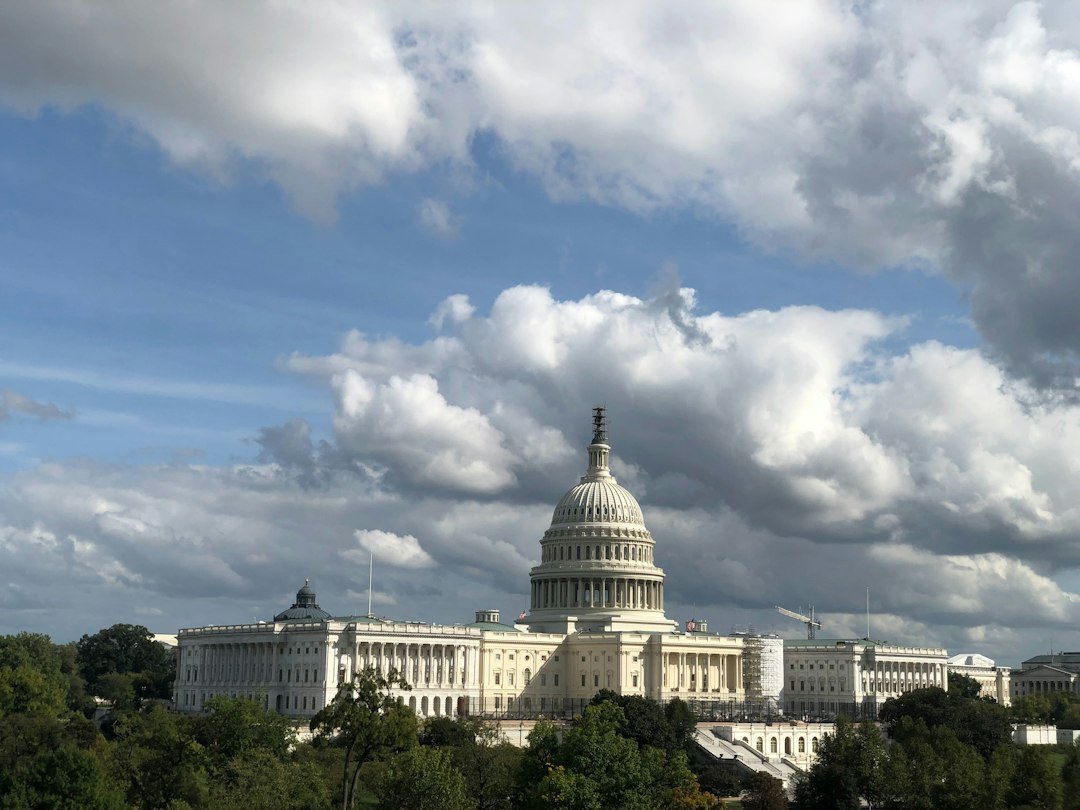
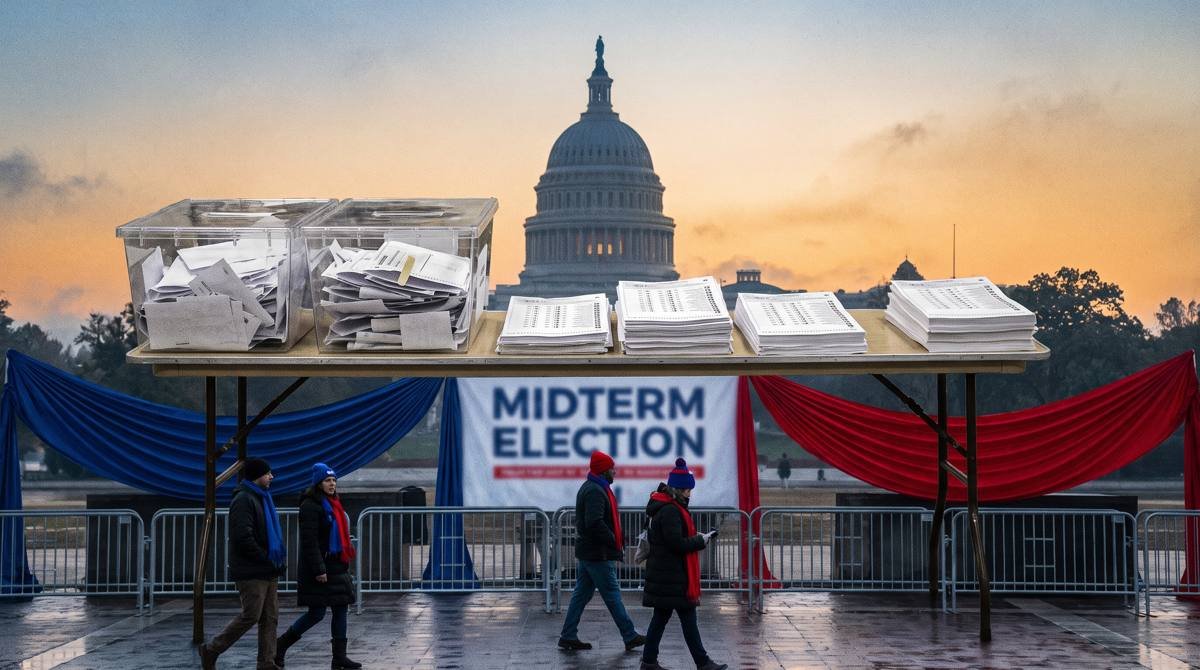
The 2026 midterm election results have produced the most consequential national political shift of the November 3 vote: Democrats are projected to take control of both the U.S. House and Senate beginning in January 2027. The outcome ends unified Republican control of Congress and gives Democrats their strongest institutional check yet on President Donald Trump during the final two years of his term.
The result is projected, not yet fully certified. NBC News estimates Democrats will finish with at least 258 House seats, well above the 218 needed for a majority, and currently lists 53 House races as uncalled. In the Senate, NBC News projects Democratic control with 54 Democratic seats and 44 Republican seats, while two races remain uncalled. The Associated Press’ national results page also lists a 54–44 split with two Senate contests still to be called. 1
Facts: What the 2026 midterm results show
Republicans entered Election Day with a 218–214 House edge, two vacancies and an independent who caucused with Republicans. In the Senate, Republicans held 53 seats to Democrats’ 45, with two independents caucusing with Democrats. Democrats therefore needed a net gain of four House seats and four Senate seats to take both chambers. 3
They cleared those thresholds across a map that included several states won comfortably by Trump in 2024. NBC’s Senate results show Democratic pickups in Iowa, Kansas, Maine, North Carolina, Ohio, South Carolina and Texas, while also projecting victories in other competitive contests. Those gains put the party at 54 seats in NBC’s current count. The outstanding Senate races are in Alaska and Mississippi, according to Reuters; their eventual outcomes could change the size of the majority but not the projected control of the chamber. 2
The Senate map included several unusually large reversals. Democrat James Talarico defeated Trump-backed Ken Paxton in Texas, Democrat Annie Andrews defeated Republican Sen. Darline Graham in South Carolina, and former Ohio Sen. Sherrod Brown won a special election against Republican Jon Husted, according to the Associated Press. Democrat Roy Cooper also won an open North Carolina Senate seat. 5
In the House, NBC’s Decision Desk projects at least 258 Democratic seats and estimates the party could finish with an 81-seat majority. Its current reported count is 236 Democratic winners and 146 Republican winners, with uncalled races still being processed. The estimate is based on current and past vote counts, not polling, and may change as more ballots are tabulated. 1
The election also delivered important state-level results. Democrats flipped governorships in Texas, Georgia, Ohio and Iowa, while Democratic incumbents held several major statehouses. Those results matter for election administration, redistricting and voting rules because states control most of the machinery used to conduct federal elections. 2
Facts: The result is projected while certification continues
Election-night calls and official certification are different stages. The Federal Election Commission says it does not produce immediate election results and that state election offices are responsible for certifying them. The FEC later compiles official federal results from state reports. 6
State election offices are still using that process. Virginia’s election department labels the November 3, 2026 general-election results “unofficial” and says statewide and cross-locality contests become official after State Board of Elections certification. New York’s election-night reporting page similarly warns that results can change as counties complete recanvasses and process valid mail, absentee, military and provisional ballots. 7
That status does not undermine the congressional control projection. A majority does not require every race to be certified when enough contests have been called or projected to establish which party will hold more than half the seats. It does mean final seat totals, margins and the resolution of any legal challenges remain open questions.
Analysis: A national rebuke with limits
The scale of the Democratic victory makes the midterms a direct constraint on Trump’s legislative program. A Democratic House can block bills, control committee agendas and issue subpoenas. A Democratic Senate can set its own floor schedule, shape confirmations and force negotiations on legislation. Trump retains the veto, and Republicans can still use procedural tools and their position in the executive branch to resist Democratic priorities.
The likely result is divided government rather than automatic Democratic policymaking. Democratic leaders have emphasized affordability and oversight. Reuters quoted House Democratic Leader Hakeem Jeffries saying, “We don’t work for Donald Trump. We work for the American people,” while Senate Republican leader John Thune said Republicans would work with Trump to oppose what he called Democratic extremism. 4
The election also shows the difference between winning control and winning a mandate for one unified policy. The Associated Press reported that voters were deeply dissatisfied with the country’s direction, with the economy, inflation and government corruption among the most important concerns. But the same reporting noted that neither party enjoyed overwhelming favorability. 5 The results therefore give Democrats institutional power without eliminating internal disagreements over how aggressively to use it.
Redistricting was another important backdrop. Republicans had pursued maps intended to improve their House position in states including Florida and Texas, but Democrats still made targeted gains there, according to AP. The new majority will now oversee investigations and legislative fights that could affect future election rules, campaign oversight and the administration of voting laws. 5
What happens next
The immediate next step is continued counting, canvassing and certification by state and local election officials. Alaska and Mississippi remain the principal unresolved Senate questions, while dozens of House races are still being finalized. The projected Democratic majority should be treated as settled for planning purposes, but not as a substitute for certified vote totals.
The next Congress will convene in January 2027. Hakeem Jeffries is positioned to become the first Black speaker of the House if House Democrats formally organize the majority. The Senate will also choose new leadership, and the two parties will begin negotiating committee assignments, investigations and the legislative calendar.
The central fact is already clear: voters changed control of Congress. The exact margins and formal legal record will take longer to complete, but the projected Democratic takeover will define the next phase of Trump’s presidency.